Table of Contents
ToggleA slow drain in your Richmond kitchen or bathroom is one of those annoying problems that’s easy to ignore until it becomes a genuine headache. Standing water, backed-up pipes, and foul odors are tell-tale signs that your drains need attention. The good news is that many drain issues are preventable with routine maintenance, and some clogs you can handle yourself with basic tools and know-how. Whether you’re dealing with a minor slow drain or a serious blockage, this guide walks you through both DIY drain cleaning methods and when to bring in a professional. Richmond’s humid climate and older home infrastructure make regular drain maintenance especially important.
Key Takeaways
- Regular drain cleaning and maintenance in Richmond is essential due to the region’s humid climate, hard water, tree roots, and older home infrastructure that increases the risk of clogs and pipe damage.
- DIY drain cleaning methods like plungers, drain snakes, baking soda and vinegar, and P-trap removal can solve common hair and soap buildup issues without professional help.
- Multiple slow drains, sewage backups, suspected root intrusion, or standing water that won’t drain require professional drain cleaning services and video inspection to diagnose serious blockages.
- Prevent future drain problems by using drain screens, avoiding grease and food scraps, running hot water regularly, and scheduling annual sewer inspections for homes over 30 years old.
- Chemical drain cleaners should be used cautiously as they can corrode older pipes; safer alternatives include enzymatic cleaners or baking soda treatments for routine maintenance.
Why Richmond Drains Need Regular Maintenance
Richmond’s climate and soil composition create a perfect storm for drainage issues. The region experiences heavy seasonal rainfall, which puts pressure on both interior and exterior drain systems. Tree roots, a common problem in Richmond’s leafy neighborhoods, actively seek out moisture and can crack or penetrate pipes over time, especially in older homes with clay pipe infrastructure.
Hard water is another culprit. Richmond water contains minerals that gradually build up inside pipes, narrowing the passageway and trapping hair, soap residue, and debris. Regular maintenance, even just running hot water and using a strainer, keeps minor buildup from becoming a $500+ repair bill. Think of drain maintenance like changing your car’s oil: small, regular efforts prevent catastrophic failures.
Older Richmond homes (pre-1980s) often have cast-iron or clay drainage pipes that are more prone to corrosion and collapse than modern PVC. If you live in a historic neighborhood, knowing your home’s age and pipe material is essential. A simple drain inspection every 12 months catches problems early, before they affect your foundation or landscaping.
Common Drain Problems in Richmond Homes
Hair and soap buildup is the most common residential drain issue. In bathroom sinks and shower drains, hair naturally accumulates and tangles with soap residue, creating a dense clog near the drain entrance. This type of blockage is usually within arm’s reach and responds well to a drain snake or plunger.
Kitchen sink clogs typically involve grease, food particles, and mineral deposits. Hot water can dissolve grease temporarily, but it hardens again as it cools further down the line. Never rely solely on hot water for kitchen drains: you’ll need mechanical removal or enzymatic cleaners to break down buildup.
Root intrusion is less common but far more serious. If your drains run slowly throughout the house (not just one fixture), or if you notice wet patches in your yard, tree roots may have infiltrated your main sewer line. This requires professional video inspection and often excavation.
P-trap clogs occur under sinks where water naturally collects. Sometimes the clog is inside the trap itself: other times it’s just beyond. A simple bucket and wrench (and willingness to get wet) can solve this without calling a plumber. Slow drains from multiple fixtures suggest a main line issue, which demands professional attention. A blocked toilet is different from a clogged sink, it usually points to something solid stuck in the trap, not buildup.
DIY Drain Cleaning Methods You Can Try Today
The Plunger Method works best on single-fixture drains with soft clogs (hair, soap, food). Fill the sink or tub with a few inches of water, place a cup-style plunger over the drain, and pump vigorously 15–20 times. The suction and pressure often dislodges minor blockages. For double sinks, plug one overflow hole or use a second plunger to create a seal.
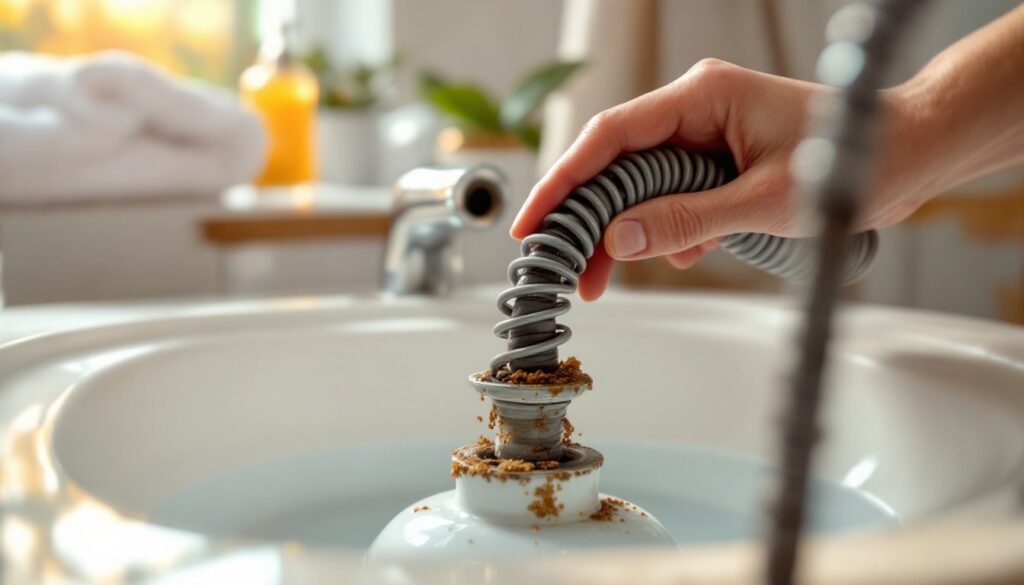
The Drain Snake is your next line of defense. A manual drain auger (also called a plumbing snake) costs $15–40 and reaches 15–25 feet down the pipe. Feed it slowly into the drain, twist when you hit resistance, and pull back to snag hair and debris. This method handles clogs further down the line than a plunger can reach. Wear gloves, drain sludge isn’t pleasant.
Chemical Cleaners deserve honesty: they work for soft buildup but aren’t magic. Enzymatic or bacterial cleaners (gentler than caustic lye-based options) break down organic matter over 8–12 hours. Pour one down the drain before bed, let it sit, and flush with hot water. Follow the product label exactly. Never mix different chemical cleaners, the reaction can produce toxic fumes. If you have a septic system, avoid harsh chemicals altogether: they kill beneficial bacteria.
The Baking Soda and Vinegar Trick is the safe, non-toxic option. Pour half a cup of baking soda down the drain, followed by one cup of white vinegar. Cover the drain with a plug or wet cloth and wait 30 minutes. The fizzing action breaks up soft deposits. Flush with hot water. It won’t clear serious blockages, but it’s free, harmless, and helps prevent future buildup.
P-Trap Removal is straightforward for confident DIYers. Place a bucket under the curved pipe beneath the sink, loosen the slip nuts (usually hand-tight), and remove the trap. Empty any trapped debris, inspect for cracks, and reassemble. Tighten snugly but not aggressively, over-tightening can crack plastic fittings.
Always wear nitrile gloves when working with drains. Splash goggles protect your eyes from splashing water or chemical residue. If you’re using any chemical cleaner, ensure the area is well-ventilated. Stop if you encounter resistance you can’t budge, forcing a snake risks damaging the pipe.
When to Call a Professional Drain Cleaner in Richmond
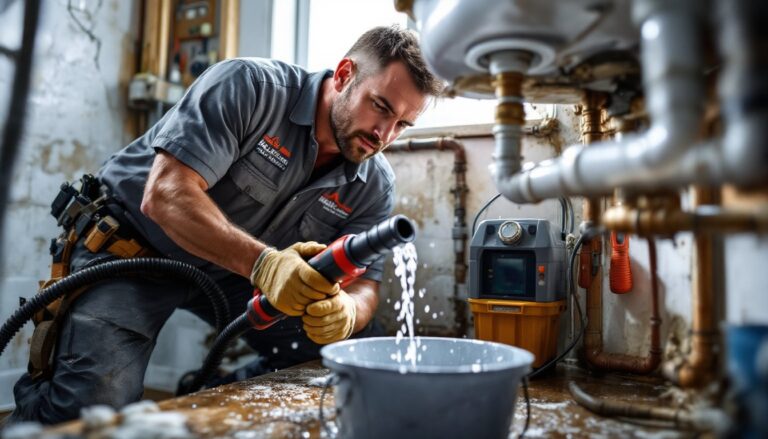
Multiple slow drains simultaneously indicate a main line clog or sewer blockage, not a DIY job. If your toilet backs up when the washing machine runs, or if water pools in the yard, your main sewer line needs professional attention. Video inspection cameras can identify the exact problem and location, saving money on blind excavation.
Root intrusion requires a professional. If you suspect tree roots are the culprit, especially with older homes on larger lots, a sewer scope inspection ($300–500) is worth the investment. Treatment options range from chemical root inhibitors to full pipe replacement, but you need accurate diagnosis first.
P-trap or beneath-sink leaks that won’t stop dripping after reassembly signal corroded fittings or cracked pipes. A licensed plumber can replace the section without disturbing the rest of your plumbing. Attempting to force corroded brass slip nuts risks breaking them, leading to a bigger repair.
If you’ve tried a plunger and snake with no results, or if standing water doesn’t drain at all, you’re likely facing a serious blockage beyond your reach. Resources like HomeAdvisor help homeowners get cost estimates from vetted local contractors. Many Richmond plumbers offer flat-rate service calls ($75–150), so you’ll know the cost upfront. Ask if they provide video inspection, it’s worth the extra $50 to see exactly what you’re dealing with rather than guessing.
Permits vary by Richmond jurisdiction. If work involves digging into your yard or replacing sewer lines, a permit is usually required. Licensed plumbers handle this automatically: unlicensed “handymen” may cut corners.
Preventing Future Drain Issues
Use drain screens in every sink, shower, and tub. A $2–5 strainer catches hair and debris before it enters the pipe. Empty it weekly. Kitchen sinks benefit from sink strainers that fit over the drain opening: they stop food particles from going down.
Never pour grease, coffee grounds, or food scraps down the kitchen drain. Let grease cool and solidify in a container, then trash it. Dispose of coffee grounds in compost or the garbage disposal, never down the drain where they compact and trap other materials.
Run hot water for 30 seconds after each use (especially kitchens). Hot water keeps mineral and grease deposits loose and flowing. Once monthly, send a gallon of boiling water down each drain to flush accumulated buildup.
Bleach and drain cleaner aren’t regular maintenance tools, they’re treatments. Using them monthly can corrode pipes over time, especially older galvanized or cast-iron lines. Stick to hot water and strainers for routine care.
Treets outside like inside. Keep gutters clear so water doesn’t pool near foundation drains. Plant trees away from sewer and water lines (the utility locating service, call 811 before digging, will mark these). If you’re considering adding a downspout extension or French drain, check local codes, Richmond has specific stormwater management requirements.
Schedule an annual sewer scope inspection if your home is over 30 years old. A $300–500 video inspection catches slow cracks and root infiltration before they become emergencies. Compare this to a $3,000–8,000 main line replacement, and the prevention investment pays for itself.
Conclusion
Drain maintenance in Richmond is straightforward: use strainers, flush with hot water, and address slow drains promptly before they become backups. Most homeowners can handle hair and soap clogs with a plunger or drain snake. Serious problems, multiple slow drains, sewage backup, or suspected root intrusion, require a professional. Check top-rated drain cleaners in Richmond to find licensed, reviewed contractors. Regular prevention beats emergency repair every time.