Table of Contents
ToggleSacramento’s aging neighborhoods and unique water chemistry create specific drain challenges for homeowners. Hard water deposits, mineral buildup, and the region’s tree-lined streets can all contribute to slow drains and stubborn clogs. Understanding what causes these problems, and when you can handle them yourself, can save you money and frustration. This guide walks you through common drain issues in Sacramento, practical DIY solutions you can try first, and clear signals that it’s time to call in a professional.
Key Takeaways
- Regular drain maintenance in Sacramento prevents costly backups and water damage by catching slow drains before they become emergency clogs.
- Sacramento’s hard water and tree roots are leading causes of drain problems, with DIY methods like plungers and drain snakes effective for hair and soap buildup but not mineral deposits.
- Try safe, low-cost solutions first—boiling water, baking soda and vinegar, or a drain snake—before resorting to chemical cleaners or professional drain cleaning.
- Call a licensed drain cleaner if clogs return quickly, sewage backs up into your home, or DIY methods fail after multiple attempts, as these signal deeper sewer line issues.
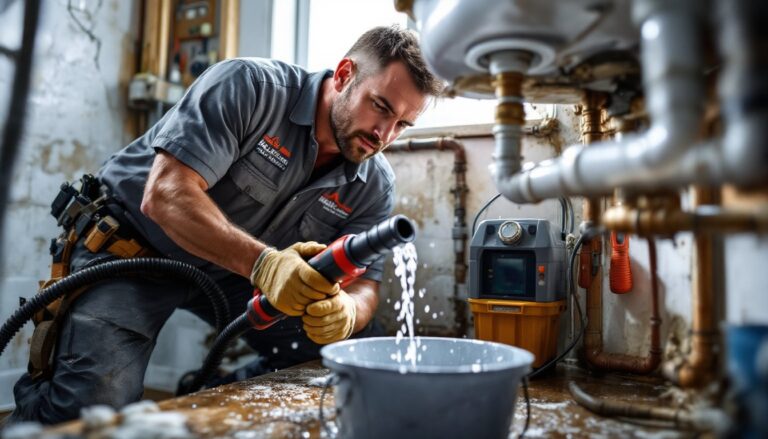
- Professional drain cleaning in Sacramento includes camera inspections to identify the exact problem, high-pressure jetting for hard water deposits, and peace of mind with warranties and upfront pricing.
Why Regular Drain Maintenance Matters
Neglecting drain maintenance is like ignoring an oil change on your car, problems compound quietly until something breaks. A slow drain today becomes a backed-up pipe tomorrow, potentially costing thousands in water damage or emergency plumbing bills.
Regular drain upkeep prevents buildup from accumulating over months. When you stay on top of minor blockages, you avoid the pressure that cracks pipes or forces water to find alternate, and destructive, paths through your walls. Sacramento’s hard water makes this especially important: mineral deposits stick to pipe walls and narrow passages over time.
Simple maintenance also helps you catch problems early. If you notice water draining slower than usual, you’re catching a warning sign before a full backup occurs. Monthly or quarterly drain flushing (hot water, baking soda, or enzymatic cleaners) costs almost nothing and takes 10 minutes.
Common Drain Problems in Sacramento Homes
Hair Clogs and Soap Buildup
Hair and soap scum are the most frequent culprits in bathroom drains. A single shower can shed 50 to 100 strands, and soap residue clings to pipe walls, creating layers of gunk over weeks. This combo forms a sticky mat that catches more debris, narrowing the drain opening.
You’ll notice water pooling in the tub or shower, gurgling sounds, or a foul smell from decomposing hair. Prevention is simple: use drain screens or hair catchers in every drain, and pull them out weekly. For existing clogs, a plunger, a drain snake (a flexible coil tool), or a wet/dry shop vacuum often works without chemicals.
Tree Root Intrusion and Hard Water Deposits
Sacramento’s established neighborhoods have mature trees, beautiful to look at, but their roots can seek out the smallest cracks in underground sewer lines. Once roots enter a pipe, they spread like nature’s own clog, trapping grease and debris. Whole-house drains slow, toilets back up, or you see unusually green patches in your yard from seeping sewage.
Hard water (common in the Sacramento area) leaves mineral deposits, mostly calcium and magnesium, inside pipes. Over years, these deposits can reduce flow by 50% or more. Unlike a hair clog, you can’t plunge mineral buildup away. This is one area where professional help often makes sense, because removing heavy mineral scale requires specialized equipment like a high-pressure water jet or a descaling chemical that residential tools can’t match. Your local water provider can tell you your area’s hardness level: if it’s above 7 grains per gallon, you’re dealing with hard water.
DIY Drain Cleaning Methods Worth Trying
Start with the gentlest methods first: they’re cheap, safe, and work for minor clogs.
Boiling Water: For grease-related clogs (kitchen sinks), boil a full kettle and pour it slowly down the drain. Heat liquefies grease so it flows through. Repeat if needed. This costs nothing and takes 2 minutes.
Baking Soda and Vinegar: Pour 1 cup of baking soda down the drain, followed by 1 cup of white vinegar. The fizzing reaction helps break up soft clogs and deodorizes. Let it sit for 30 minutes, then flush with hot water. Safe for all drain types, even older cast-iron pipes.
Plunger: A standard cup plunger works on tub and sink drains. Fill the sink with a few inches of water to create a seal, then plunge vigorously 15–20 times. For toilet clogs, use a flange plunger (has an extra lip). Wear gloves: it’s unsanitary work.
Drain Snake: For $10–40, a manual drain snake (or hand auger) can pull out hair clogs and debris. Insert it into the drain, crank the handle, and the coil rotates while you push forward. When it snags the clog, twist and pull back. Wear gloves and eye protection: hair and sludge splash.
Shop Vacuum: A wet/dry vacuum can suck out loose clogs. Seal the drain opening with the hose tip, create suction, and the vacuum pulls debris out. This works well for hair but not for mineral deposits or tree roots.
Never use chemical drain cleaners as your first move. They’re corrosive, dangerous if they splash, and if you later need a plumber’s snake or professional service, leftover chemicals can injure the technician. Reserve them only for persistent grease clogs, and always follow label safety (gloves, ventilation, no mixing with other products).
When to Call a Professional Drain Cleaner
Call a pro if:
- The clog returns within days or affects multiple drains. This signals a problem deeper in the line, tree roots, bellied pipes (sagging sections), or crushed PVC, that DIY tools can’t address.
- Water backs up into your home. Standing water in showers or toilets after flushing is a sewer line emergency. Untreated, it causes sewage to pool in crawl spaces and basements, creating health hazards.
- You see sewage odors or patches of unusually green lawn. These hint at a cracked or broken sewer line underground.
- DIY methods have failed after two or three attempts. You’ve already spent an hour: a professional with a camera inspection tool ($150–300) can diagnose the exact problem and treat it correctly the first time.
- Hard water or mineral buildup is evident. Professionals use high-pressure water jetting and descaling treatments residential plungers can’t provide.
Sacramento has many licensed drain cleaning companies. Reputable services offer free estimates, upfront pricing (not hourly guesses), and warranties on their work. Sites like Angi’s directory of drain cleaners in Sacramento let you compare providers, read reviews, and check licensing. Before hiring, confirm they’re licensed, bonded, and insured: ask if they offer a camera inspection (so you see the problem yourself): and get the quote in writing.
Some repairs, like replacing a section of cracked sewer line, require permits and may need excavation. Be wary of anyone who skips the inspection and jumps straight to expensive fixes. A professional who uses a camera first earns your trust. Also, if a drain cleaning leads to uncovering a structural issue (like a cracked cast-iron sewer main), consult HomeAdvisor’s guides on repair costs and contractor matching to understand what you’re facing and what’s typical pricing in your area.
Conclusion
Drain maintenance is unglamorous but essential. Start with cheap, safe solutions, hot water, baking soda, plungers, and snakes, before considering chemicals or professional help. If a clog persists, affects multiple fixtures, or comes with sewage smells, don’t delay calling a licensed plumber. For woodworking and other home projects, Family Handyman’s repair tutorials offer detailed guides, but drain work and sewer lines are one area where professional diagnosis often saves money and prevents costly water damage.