Table of Contents
ToggleA slow drain isn’t just an annoyance, it’s a warning sign. That gurgle when water won’t empty, or the backup in your shower, tells you something’s blocking the line. West Chester homes deal with everything from hair and soap buildup to tree roots shifting through clay soil, and ignored drains can lead to costly repairs or water damage. The good news? You can tackle many drain problems yourself, and knowing when to call a professional prevents expensive emergencies. This guide covers the practical steps to keep your pipes flowing, when DIY works, and when you need boots on the ground.
Key Takeaways
- Regular West Chester drain cleaning prevents minor clogs from escalating into costly repairs and water damage to your home.
- A drain snake, plunger, or baking soda and vinegar can effectively remove hair and soap buildup without professional help, saving you money on simple clogs.
- Tree roots and ground shifting in West Chester’s clay soil require professional camera inspection and may need excavation—never ignore multiple slow drains or sewage backup.
- Signs like multiple drains slowing simultaneously, recurring clogs, or dark water backup mean it’s time to call a licensed professional drain cleaner in West Chester.
- Preventive maintenance every six months to a year, especially for kitchen drains exposed to grease, extends pipe life and keeps your system pressure-free.
Why Regular Drain Cleaning Matters for Your Home
Your drains are like the circulatory system of your house, when they slow down, everything backs up. Regular drain maintenance prevents the small clogs from becoming big headaches. A drain that flows freely today prevents water from pooling under your foundation, stops bacteria from multiplying in stagnant pipes, and keeps your fixtures working as designed.
In West Chester’s older neighborhoods, cast iron and galvanized steel pipes are common. These materials corrode over time, creating rough interior surfaces that trap debris. Even newer PVC pipes can develop buildup from hard water minerals, soap residue, and everyday gunk. Cleaning them every six months to a year, especially kitchen drains that see grease, keeps pressure off your system and extends the life of your pipes. It’s preventive medicine for your home.
Common Drain Problems in West Chester Homes
West Chester’s geography and climate create specific drainage challenges. The region’s clay-heavy soil, older home construction, and seasonal freeze-thaw cycles all contribute to drain troubles. Understanding what’s clogging your pipes helps you pick the right fix, and tells you when it’s time to phone a pro.
Hair and Soap Buildup
This is the most common culprit in bathroom drains. Hair, skin cells, and soap residue combine into a stubborn mass that slows water flow over weeks or months. You’ll notice it first as slower drainage, then as standing water in the tub or shower. The buildup usually forms just below the drain opening or in the P-trap, the curved pipe section under your sink or shower. It’s almost always fixable with basic tools and doesn’t require a plumber. Chemical drain cleaners work here, but mechanical removal (a drain snake or plunger) is faster and safer for your pipes.
Tree Roots and Ground Shifts
West Chester’s mature trees are beautiful but can wreak havoc on underground drain lines. Roots seek moisture and will exploit tiny cracks in sewer and drain pipes. As roots push through, they trap debris and eventually block the line completely. You’ll see signs like multiple slow drains throughout the house, sewage backups, or surprisingly green patches in your yard (nutrient-rich wastewater feeding the grass).
Ground shifting, from seasonal moisture changes or poor drainage, can also crack pipes or pull them out of alignment, creating low spots where water pools and clogs form. This isn’t a DIY fix. Tree root intrusion and ground shifts require professional diagnosis with a camera snake and often need excavation or pipe replacement. If you suspect roots, don’t delay, a small crack becomes a major problem fast.
DIY Drain Cleaning Methods That Actually Work
Before calling anyone, try these proven methods. Most work best for hair, soap, and mineral buildup: they won’t solve tree roots or cracks.
The Plunger (Straight Drain Plug Type)
Don’t skip this. A standard cup plunger works surprisingly well on bathroom and kitchen clogs. Fill the sink or tub with enough water to cover the plunger cup, place it firmly over the drain, and plunge vigorously for 15–20 seconds. The pressure and suction can dislodge buildup. For a bathtub, block the overflow hole with a wet cloth so suction works properly. It’s messy but free and effective for fresh clogs.
The Drain Snake (Hand Crank Auger)
For tougher clogs, a drain snake (also called a hand auger or plumbing snake) is worth the $20–40 investment. Feed the flexible cable down the drain, crank the handle to rotate the tip, and push it past the clog. When you feel resistance, twist and pull to break up the blockage or snag hair. You’ll likely pull out a nasty wad of hair and buildup, gross but satisfying and effective. A 25-foot snake handles most bathroom and kitchen drains. For larger lines, you may need a 50-foot model.
Boiling Water
Simple but powerful for grease clogs. Boil a kettle of water and pour it slowly down the drain. The heat melts grease and flushes light buildup. Not safe for PVC pipes in some cases (extreme heat can warp them), but it works on cast iron. Do this weekly as maintenance, it costs nothing and prevents grease from hardening in the line.
Baking Soda and Vinegar
This old-school combo creates a fizzing action that can loosen debris. Pour 1/2 cup of baking soda down the drain, followed by 1 cup of vinegar. Cover the drain with a plug and let it sit for 30 minutes, then flush with hot water. It’s not as powerful as a snake but works for light clogs and smells better than commercial drain cleaners. Safe for all pipe types.
Commercial Drain Cleaner (Used Carefully)
Liquid drain cleaners like Drano or Green Gobbler work through chemical reaction. They’re fast and require no physical effort. But, they’re caustic, wear gloves and eye protection, ensure good ventilation, and never mix products. They can damage older pipes and don’t work well on severe clogs. If the drain is completely blocked, standing water won’t let the chemical reach the clog. Try mechanical methods first: use chemicals only if you’re sure the drain isn’t fully blocked.
When to Call a Professional Drain Cleaner
Know your limits. Some problems demand professional equipment and expertise.
Call a pro if:
- Multiple drains in your home are slow or backed up (sign of a main line or sewer issue, not a simple clog).
- You see sewage or dark water backing up into sinks, tubs, or toilets.
- Clogs return within days after you clear them (buildup recurring or deeper blockage).
- You suspect tree roots or ground movement (only a camera inspection confirms this).
- Your home is on a septic system and the drains are slow (septic tank may need pumping).
- The clog is in a wall, under concrete, or deep in the main line.
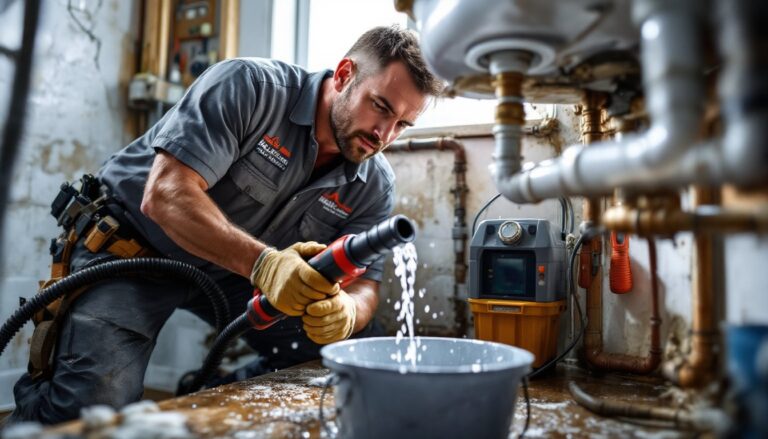
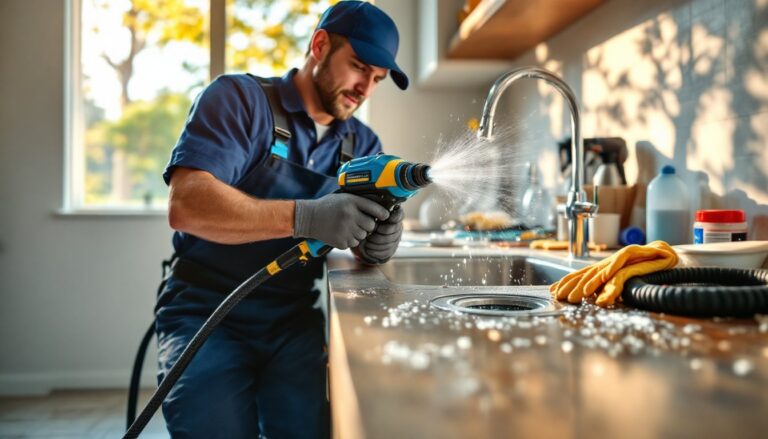
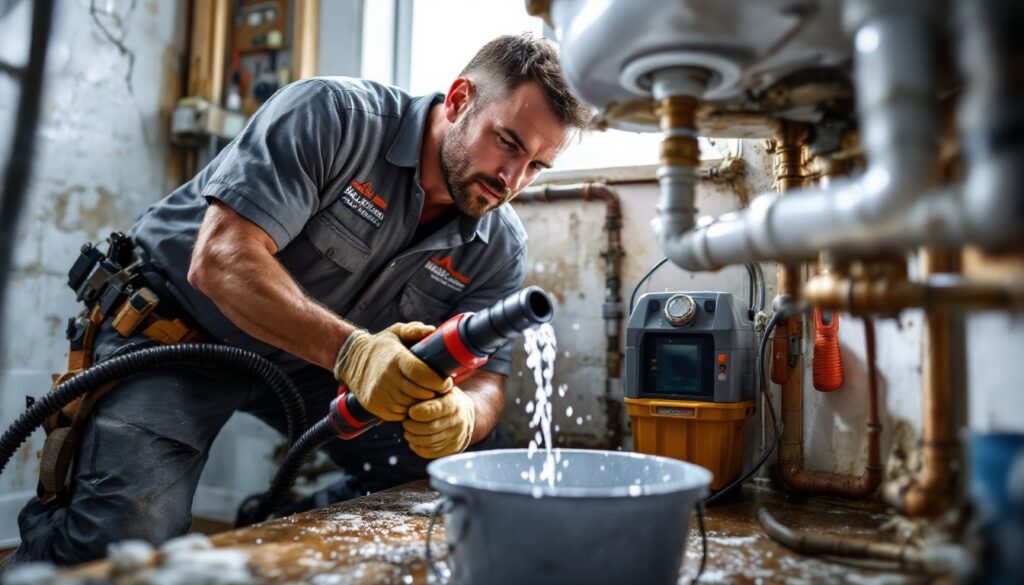
Professionals use power augers that can handle inches-thick root masses and debris, camera snakes to see exactly where the problem is, and hydro-jetting (high-pressure water) to blast grease and buildup from pipe walls. These aren’t cheap, expect $150–$500 for a basic service call and camera inspection, but they’re essential for serious problems. Many West Chester plumbers offer same-day service. Check top-rated drain cleaners in West Chester, PA for licensed professionals in your area.
If you’re unsure whether a problem is cosmetic or structural, ask yourself: Is it just one drain, or multiple? Has it been slow for weeks, or did it suddenly stop? DIY repair tutorials and home maintenance guides can help you troubleshoot minor issues, but any sign of sewage backup or recurring clogs warrants a professional diagnosis. You can also check cost estimators and contractor matching services to understand typical pricing for your area before calling.
Conclusion
Drain cleaning isn’t glamorous, but it’s essential maintenance. Start with the simple fixes, a plunger or drain snake handles most clogs cheaply and quickly. Boiling water and baking soda keep lines fresh between clogs. When DIY doesn’t work or multiple drains slow simultaneously, bring in a professional. West Chester’s aging infrastructure and clay soils mean some problems need expert tools and eyes. Stay ahead of clogs, act quickly when they appear, and you’ll keep your pipes flowing for years.