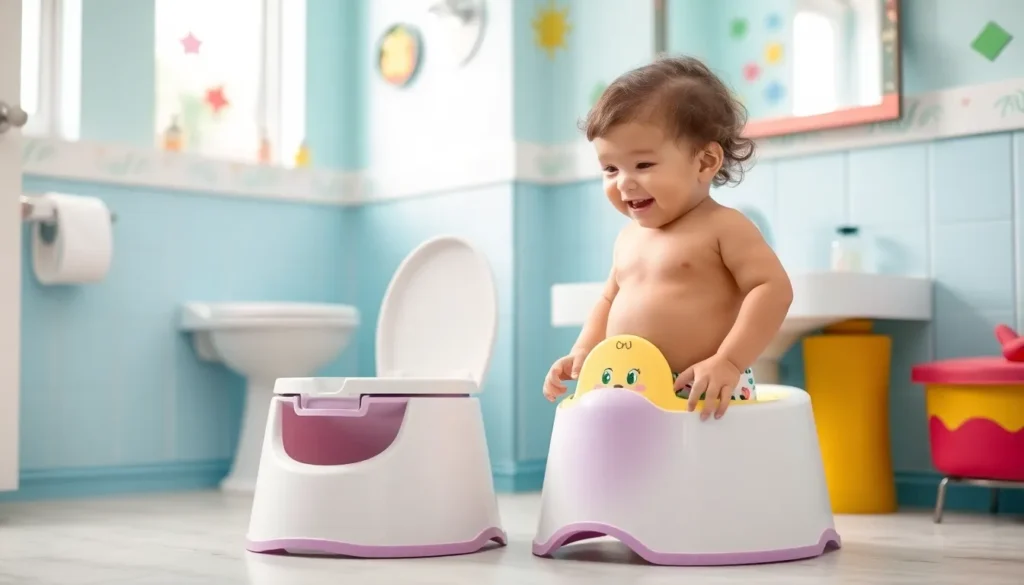
Potty training can feel like a rite of passage for both kids and parents, but knowing when to kick off this adventure is the real puzzle. Most parents find themselves asking, “Is my toddler ready to trade diapers for big-kid underwear?” While every child is unique, there are some telltale signs that suggest the time is right.
Understanding Potty Training
Potty training marks a significant milestone in a child’s development. This stage transitions toddlers from diapers to using the toilet independently.
What Is Potty Training?
Potty training involves teaching a child to use the toilet instead of diapers. This process often begins when toddlers show readiness signs like staying dry for longer periods or expressing discomfort with dirty diapers. Training can vary in duration and strategies, often incorporating rewards or positive reinforcement to encourage progress. Understanding the child’s cues plays a key role in successful potty training.
Importance of Timing
Timing greatly influences the effectiveness of potty training. Starting too early may lead to frustration for both parent and child, while waiting too long might prolong reliance on diapers. Experts recommend looking for readiness signs such as showing interest in the bathroom or verbalizing a need to use the toilet. Proper timing helps create a positive experience, increasing the likelihood of success. Choosing the right moment ensures a smoother transition and boosts the child’s confidence.
Signs That Indicate Readiness
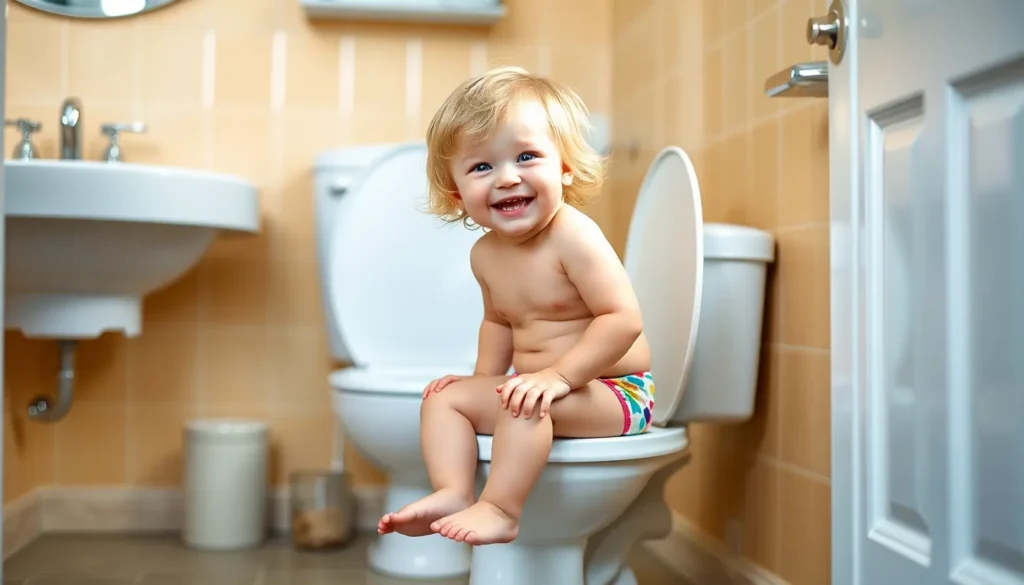
Recognizing readiness signs is crucial for successful potty training. Parents and caregivers should look for specific indicators.
Physical Signs
Physical signs of readiness often include staying dry for extended periods. A toddler may show the ability to hold urine for at least two hours. Additionally, when children express discomfort with dirty diapers, this can signal they’re ready for the transition. Other signs include showing awareness of bodily functions. For instance, a child may cover their diaper when having a bowel movement, demonstrating an understanding of their needs. Lastly, the ability to follow simple instructions can also indicate physical readiness for potty training.
Behavioral Signs
Behavioral signs can provide clear insights into a child’s readiness. Showing interest in bathroom activities is a common sign; they might follow parents into the bathroom or ask about the toilet. Expressing a desire for independence often indicates readiness, such as wanting to wear underwear instead of diapers. Children may also start mimicking adults by pretending to use the toilet. Seeking privacy when having a bowel movement is another telling behavior. Those who can verbally communicate their need to go to the toilet show significant readiness for potty training.
Ideal Age for Potty Training
Determining the ideal age for potty training involves understanding the child’s readiness. Most experts recommend starting between 18 and 30 months.
Average Age Recommendations
A study from the American Academy of Pediatrics shows that many children begin potty training around 2 years of age. By this time, toddlers typically develop the necessary physical and cognitive skills. Parents often find success when they introduce toilet training between 24 and 36 months, as this aligns with increased independence and curiosity about bathroom habits. Delaying beyond age 3 can make the process more challenging, since some children may become resistant.
Factors Influencing Timing
Several factors affect when potty training starts. Each child’s unique development plays a critical role. Family routines and cultural practices can also influence decisions on timing. Availability of parental support significantly impacts the process, as does a child’s comfort level with using the toilet. Emotional readiness is important, often demonstrated through interest in adult bathroom habits. Whenever parents notice these factors, they can better assess the right moment for their child to begin potty training.
Potty Training Methods
Parents can choose from several effective potty training methods. Each approach offers different strategies, allowing caregivers to find the best fit for their child’s needs.
Traditional Method
The traditional method relies on a structured approach to toilet training. Parents set a specific schedule and encourage regular bathroom visits, often every two hours. They use rewards, such as praise or small treats, to motivate the child to use the toilet consistently. This method typically involves using a potty chair or seat for toddlers to practice. Many parents find this approach effective, as it establishes clear expectations. Consistency remains key, ensuring the child understands the routine. Many children respond well to this method due to its straightforwardness.
Child-Led Method
The child-led method emphasizes following the child’s readiness cues. Parents observe signs of interest and don’t enforce strict schedules. This approach allows the child to explore using the toilet at their own pace. Many caregivers find success in creating a relaxed environment, which fosters confidence. Encouraging independence, this method often eliminates pressure and promotes positive associations with bathroom use. Parents provide support without overwhelming the child, making the transition smoother. Each child’s timing differs, so adaptability remains essential in this approach.
Challenges in Potty Training
Potty training presents several difficulties that can affect both parents and toddlers. Understanding common problems helps address them effectively.
Common Issues and Solutions
Accidents often occur during the potty training process. Frequent accidents may indicate the child needs more time to adjust. Maintaining a consistent routine enhances success and reduces confusion. Providing praise for small victories builds confidence in the child. Equipment choice plays a role; selecting a comfortable potty can encourage use. If a child resists using the toilet, parents might explore various methods or introduce incentives. Listening to the child’s feelings about the toilet experience promotes a positive association. Observing and adapting to individual needs leads to smoother transitions.
Dealing with Setbacks
Setbacks are normal during potty training, especially when a child regresses. These challenges may arise due to factors like illness or changes in routine. Remaining patient and supportive is crucial; pressure can lead to resistance. Encouraging open communication allows the child to express concerns. Identifying triggers for setbacks can provide insights into the root cause. Parents should recognize that occasional accidents do not signify failure. Creating a relaxed environment fosters confidence and reduces anxiety. Consistency in approach remains vital, even during difficult moments. Adapt the training process based on the child’s readiness to avoid frustration.
Potty training is a crucial step in a child’s development that requires careful timing and attention to readiness signs. Recognizing when a child is prepared can make the process smoother and more successful. Parents should focus on both physical and behavioral indicators to gauge their child’s readiness.
By fostering a supportive environment and using adaptable methods, parents can help their children navigate this transition with confidence. Patience and understanding play vital roles in overcoming challenges that may arise. Ultimately, each child’s journey is unique, and celebrating progress, no matter how small, can lead to a positive potty training experience.