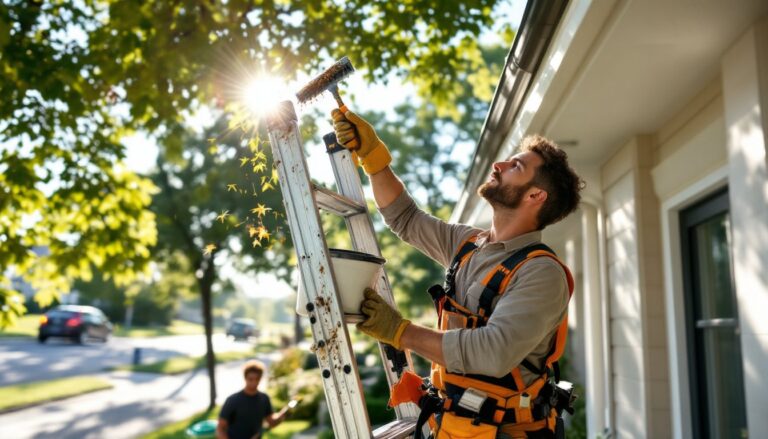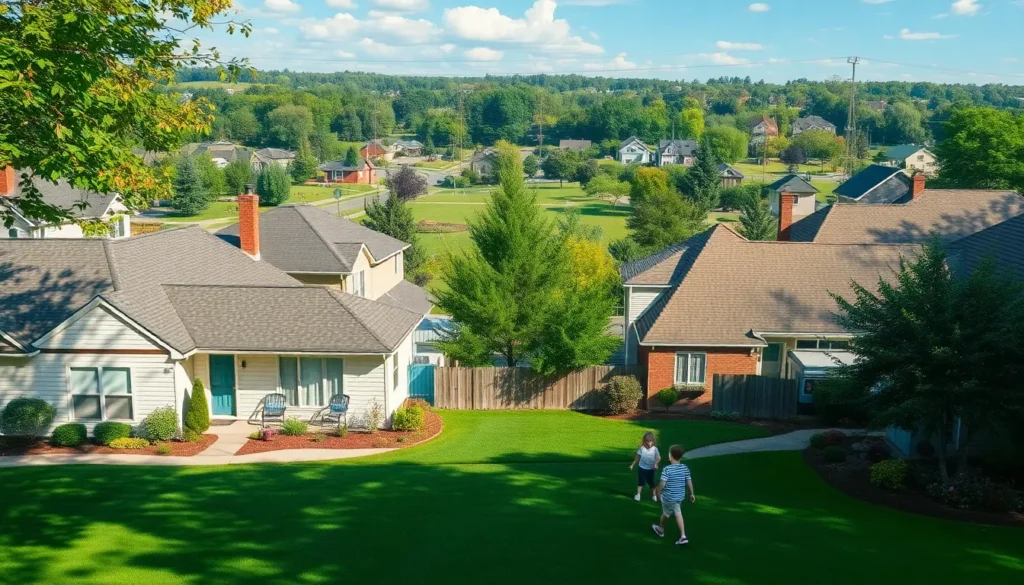
Suburban homes have become synonymous with the American dream, offering a blend of comfort and community. Nestled between bustling cities and serene rural landscapes, these residences provide a unique lifestyle that appeals to families, young professionals, and retirees alike. With their spacious layouts and access to green spaces, suburban homes cater to those seeking a balanced life away from the urban hustle.
As the demand for suburban living continues to rise, it’s essential to explore what makes these homes so attractive. From affordable housing options to strong school districts, suburban neighborhoods offer an array of benefits that draw in new residents. Understanding the nuances of suburban living can help potential buyers make informed decisions about their future homes.
Overview of Suburban Homes
Suburban homes offer a blend of comfort, space, and community. These residences typically feature larger square footage compared to urban apartments, providing ample room for families and individuals alike. Homebuyers often favor features such as three to five bedrooms, two to three bathrooms, and spacious backyards for recreation.
Suburban neighborhoods frequently include green spaces, parks, and recreational facilities, enhancing outdoor living. Access to nature promotes an active lifestyle and creates environments suitable for families with children or pets.
Affordability marks another advantage of suburban living. Many suburban homes present more budget-friendly options than urban counterparts, appealing to families, young professionals, and retirees. Median home prices in suburban areas often range from $250,000 to $500,000, depending on location and amenities.
Strong school districts bolster the attractiveness of suburban homes. Parents often prioritize quality education, and suburban areas typically host reputable school systems. Proximity to highly rated elementary, middle, and high schools influences home-buying decisions.
Community-oriented lifestyles thrive in these areas. Neighbors frequently engage in local events, sports leagues, and neighborhood gatherings, fostering a sense of belonging. Suburban environments encourage connections among residents, enhancing the quality of life.
Overall, suburban homes embody a balance of space, affordability, and community involvement, making them a popular choice for many individuals and families.
Characteristics of Suburban Homes
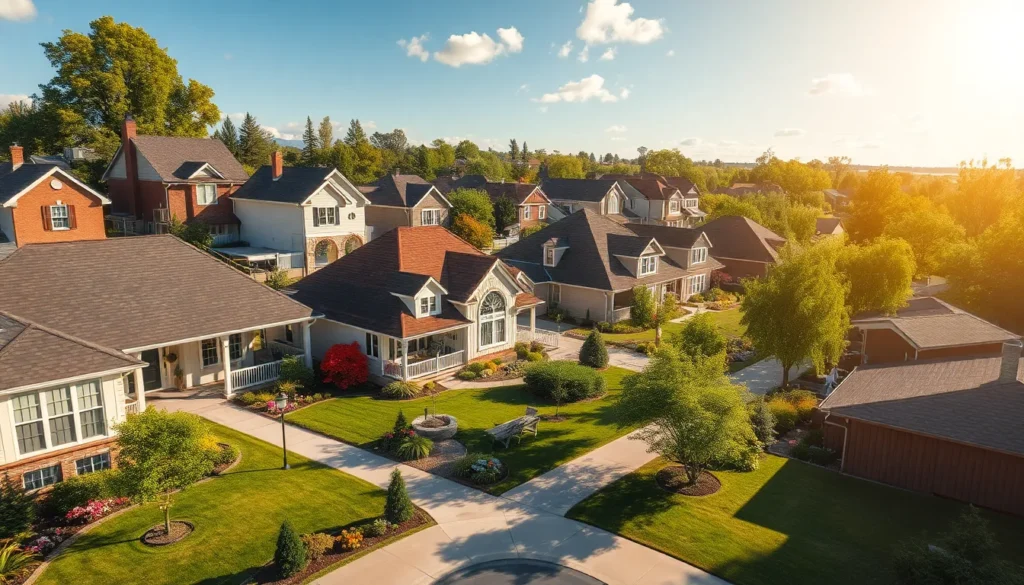
Suburban homes showcase distinctive architectural styles and common features that enhance their appeal. These elements contribute to the overall charm and functionality of the suburban living experience.
Architectural Styles
Suburban homes often exhibit diverse architectural styles. Common styles include:
- Ranch: Characterized by single-story layouts with open floor plans, these homes emphasize accessibility and casual living.
- Colonial: Featuring symmetrical designs and classic details, Colonial homes often include multiple stories and gabled roofs.
- Cape Cod: These homes incorporate steep roofs and dormer windows, promoting cozy, cottage-like aesthetics.
- Contemporary: Modern materials and clean lines define contemporary homes, reflecting current architectural trends.
- Craftsman: Known for their detailed woodwork and inviting porches, Craftsman homes blend functionality with artistry.
These styles create visually appealing neighborhoods while allowing residents to choose homes that resonate with their preferences.
Common Features
Suburban homes typically offer several common features that enhance everyday living. Examples include:
- Larger Lot Sizes: Most suburban homes have expansive yards, providing outdoor space for recreation and gardening.
- Multiple Bedrooms and Bathrooms: Homes usually range from three to five bedrooms and two to three bathrooms, accommodating families of varying sizes.
- Open-Concept Layouts: Many homes prioritize open living spaces that promote interaction among family members and friends.
- Garages: Attached or detached garages provide convenient parking and storage options, essential for suburban lifestyles.
- Landscaping: Well-maintained yards showcase gardens, trees, and lawn areas, fostering an inviting atmosphere.
- Proximity to Amenities: Suburbs often feature nearby parks, schools, and shopping centers, ensuring accessibility to essential services.
These characteristics contribute to the functionality and appeal of suburban homes, making them attractive choices for various households.
Advantages of Living in Suburban Homes
Suburban homes offer various advantages that enhance the living experience. Key benefits include ample space, privacy, and access to natural environments.
Space and Privacy
Suburban homes typically feature larger square footage, accommodating greater privacy than urban apartments. Many homes include three to five bedrooms and two to three bathrooms, offering ample room for families. Spacious backyards provide areas for recreation, gardening, and outdoor activities, enabling residents to enjoy their personal space. The distance between homes in suburban neighborhoods reduces noise and fosters a peaceful living environment, catering to individuals seeking tranquility and comfort.
Access to Nature
Suburban living often includes proximity to parks, trails, and green spaces. These amenities promote an active lifestyle, with opportunities for walking, biking, and outdoor recreational activities. Incorporating nature into daily routines enhances residents’ overall quality of life, reducing stress and improving mental well-being. Furthermore, the presence of trees and landscaping contributes to an aesthetically pleasing atmosphere, creating idyllic surroundings for families and pets.
Challenges of Suburban Living
Suburban living, while appealing, presents several challenges that residents must navigate. Two significant aspects include commuting and community dynamics.
Commute and Transportation
Commute times often increase for suburban residents. Many individuals travel between 30 minutes to over an hour to reach urban centers for work. Public transportation options may be limited, making personal vehicles a necessity. Consequently, traffic congestion during peak hours can lead to longer travel times, increasing stress and reducing personal time. Additionally, reliance on cars may contribute to higher fuel and maintenance costs, impacting the overall affordability of suburban living.
Community Dynamics
Community dynamics in suburban areas can pose challenges. While local events foster connections, they may not offer the variety and vibrancy of urban social scenes. Some residents may feel isolated, especially newcomers or those unfamiliar with their neighborhoods. Furthermore, neighborhood associations can impose regulations that restrict personal expression through home modifications or landscaping choices. This can lead to tensions among residents with varying preferences about community appearance and functionality. Overall, navigating these social landscapes requires adaptability and engagement from residents.
Future Trends in Suburban Homes
Emerging trends in suburban homes reflect shifting priorities and evolving lifestyles. Increased focus on sustainability drives demand for energy-efficient systems, including solar panels and smart home technologies. These advancements enhance energy conservation and lower utility costs.
Innovative designs cater to remote work preferences. Open-concept layouts incorporate dedicated office spaces with natural lighting, promoting productivity and comfort. Many new builds feature flexible rooms that easily transform between work and leisure.
Community-oriented developments are gaining traction. Suburban neighborhoods increasingly emphasize mixed-use spaces, blending residential areas with retail, dining, and recreational facilities. Enhancing walkability fosters stronger community ties while minimizing reliance on vehicles.
Smart home technology adoption continues to rise. Home automation systems enhance convenience, security, and energy management. Homeowners increasingly seek features like smart thermostats, security cameras, and automated lighting systems to simplify daily living.
A focus on health and wellness shapes the features of suburban homes. Homebuilders prioritize access to outdoor spaces, creating trails and parks that encourage exercise and relaxation. Landscaping trends favor native plants that promote biodiversity and require less water, supporting environmental sustainability.
Affordable housing solutions are crucial. As home prices in urban areas rise, suburbs are addressing affordability with innovative housing models, such as tiny homes and duplexes. These options provide flexibility and accessibility for diverse populations, including young professionals and retirees.
Overall, future trends in suburban homes highlight the integration of technology, community, and sustainability in response to evolving lifestyles and consumer preferences.
Suburban homes continue to capture the hearts of many individuals and families seeking a balanced lifestyle. With their spacious layouts and community-focused environments they offer a unique blend of comfort and affordability. These neighborhoods not only provide access to green spaces but also foster connections among residents through local events.
As trends evolve suburban living is adapting to meet the needs of modern life. With a focus on sustainability and innovative designs suburban homes are becoming increasingly appealing. The future of suburban living promises to enhance quality of life while addressing the challenges of commuting and social dynamics. Ultimately suburban homes remain a cherished choice for those looking to embrace the American dream in a welcoming community.