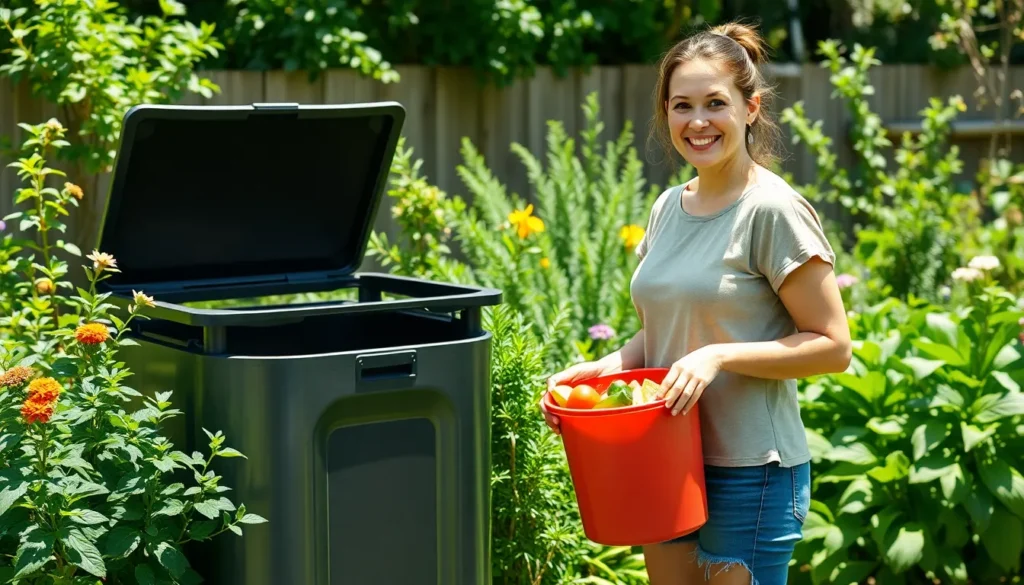
Composting at home is an eco-friendly practice that transforms kitchen scraps and yard waste into nutrient-rich soil. With rising concerns about waste management and environmental sustainability, more people are discovering the benefits of composting. It not only reduces landfill waste but also enriches gardens, making it a win-win for both the planet and home gardeners.
By creating a compost pile or using a compost bin, anyone can turn organic waste into valuable compost. This process is simple and accessible, requiring minimal resources and effort. Whether it’s banana peels, coffee grounds, or grass clippings, nearly all organic materials can contribute to a thriving compost system. Embracing composting at home not only supports a greener lifestyle but also fosters a deeper connection with nature.
Benefits of Composting at Home
Composting at home offers substantial advantages that contribute to both environmental health and economic savings. By transforming organic waste into valuable compost, individuals play a crucial role in building a sustainable future.
Environmental Benefits
Composting reduces landfill waste, diverting approximately 30% of household garbage from disposal sites. This practice decreases greenhouse gas emissions as decomposing waste in landfills produces methane, a potent climate change contributor. Composting enriches soil, enhancing its structure, moisture retention, and nutrient content. Improved soil fosters healthier plants and increases biodiversity, leading to a more robust ecosystem. Additionally, composting lessens the need for chemical fertilizers, promoting a healthier growing environment and protecting local water sources from runoff.
Economic Benefits
Composting can lower household waste disposal costs by minimizing the amount of rubbish sent to landfills. Families can budget their waste management expenses more effectively by producing their own compost instead of purchasing commercial fertilizers and soil conditioners. Utilizing compost enhances garden productivity, reducing spending on store-bought produce. Engaging in composting can also promote community involvement, potentially leading to local initiatives that share resources and knowledge, further reducing costs associated with waste management.
Getting Started with Composting
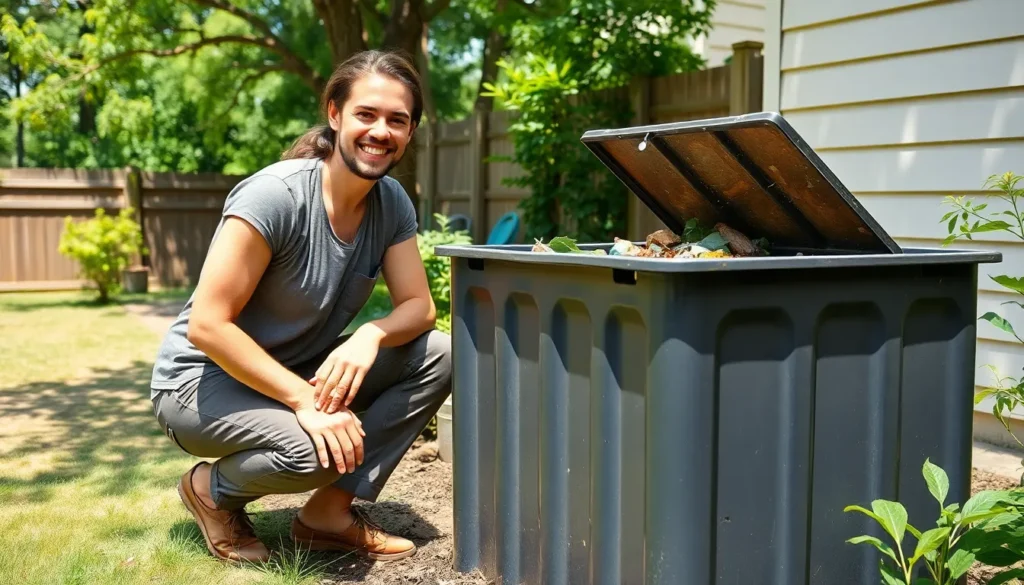
Composting at home requires simple steps to set up an effective system. Understanding location and bin selection lays a strong foundation for successful composting.
Choosing a Location
Choosing the right location for the compost pile or bin is crucial for efficient decomposition. Identify a spot that receives partial sunlight and has good drainage. Ensure easy access for adding materials and turning the compost. Keep the site away from structures, as odors may attract pests. A level area with minimal foot traffic helps maintain the integrity of the compost heap.
Selecting a Compost Bin
Selecting a compost bin involves considering various factors to meet specific needs. Opt for a compost bin made from durable materials like wood or plastic. Choose a size that accommodates kitchen scraps and yard waste without overwhelming. Look for bins that provide good aeration, which aids in the composting process. Some options include:
- Open Bins: Ideal for large volumes of waste and easy access.
- Tumbling Bins: Allow for quick mixing, promoting faster decomposition.
- Worm Bins: Great for indoor composting, using worms to break down organic material.
Each type of bin offers unique benefits, making it essential to match the choice with the composting goals.
Types of Composting Methods
Composting at home involves various methods, each with distinct processes and benefits. Understanding these methods helps individuals choose the most suitable approach based on their needs and resources.
Hot Composting
Hot composting utilizes a high-temperature process to break down organic materials rapidly. This method requires a balanced ratio of green materials, like fruit scraps, and brown materials, such as dried leaves. Maintaining temperatures between 130°F and 160°F (54°C to 71°C) fosters the growth of beneficial microbes that efficiently decompose materials within 4 to 8 weeks. Regular turning of the compost pile promotes aeration and accelerates the process. Hot composting often produces high-quality compost faster, making it ideal for gardeners eager to enrich their soil quickly.
Cold Composting
Cold composting, in contrast, is a slower and more passive method. It involves layering organic materials without the need for frequent turning or temperature monitoring. This approach works well for those who prefer less maintenance and don’t mind waiting several months to a year for compost to mature. Cold composting relies on natural decomposition processes, allowing microorganisms to break down materials at ambient temperatures. This method is simple and accommodates various materials, including kitchen scraps and yard waste, but may result in a coarser and less nutrient-dense compost compared to hot composting.
What to Compost
Composting effectively requires a balanced mix of materials. Recognizing the types of compostable materials—green and brown—ensures a thriving compost pile.
Green Materials
Green materials are nitrogen-rich components that accelerate decomposition. Common examples of green materials include:
- Fruit scraps: Peels, cores, and leftover pieces from apples, bananas, and citrus fruits.
- Vegetable scraps: Trimmings, wilted leaves, and old vegetables from meal preparations.
- Coffee grounds: Used coffee filter contents and grounds, providing not just nitrogen but also beneficial microorganisms.
- Grass clippings: Freshly cut grass from mowing, offering moisture and nutrients.
- Plant trimmings: Green leaves and stems from garden maintenance.
Maintaining roughly 25-30% of the compost pile with green materials enhances microbial activity, crucial for breaking down organic matter.
Brown Materials
Brown materials are carbon-rich ingredients that provide the structure essential for airflow in compost. Key examples of brown materials include:
- Dry leaves: Crushed or whole leaves collected in the fall, providing a rich carbon source.
- Shredded paper: Non-glossy paper from newspapers and cardboard, ensuring aeration.
- Wood chips: Untreated wood chips or sawdust, adding bulk and improving drainage.
- Straw or hay: Dry straw or hay serves as excellent carbon sources and helps balance moisture levels.
- Eggshells: Crushed eggshells contribute calcium and improve overall soil quality.
Incorporating approximately 70-75% brown materials creates the necessary carbon-to-nitrogen ratio, facilitating efficient compost decomposition.
Maintaining Your Compost
Maintaining a compost pile requires regular attention to ensure optimal decomposition. Two key practices involve turning the pile and monitoring moisture levels.
Turning the Pile
Turning the compost pile aerates the materials, promoting faster decomposition. It’s recommended to turn the pile every 2 to 3 weeks, depending on the size and moisture content. Using a pitchfork or compost aerator, lift and rotate the materials to mix the green and brown components. This process helps achieve uniform moisture and temperature, which are crucial for the growth of beneficial microbes. Turning also prevents odor issues and discourages pests.
Monitoring Moisture Levels
Monitoring moisture levels is essential for effective composting. The compost pile should maintain moisture similar to a damp sponge. If the pile appears dry, add water or more green materials; if it’s too wet, incorporate brown materials like dry leaves or shredded paper to absorb excess moisture. Checking the moisture regularly helps create an inviting environment for microorganisms, facilitating quicker decomposition while avoiding unwanted odors.
Troubleshooting Common Issues
Home composting can sometimes present challenges. Recognizing and addressing these common issues ensures a healthier composting process.
Odor Problems
Odor problems typically arise from an imbalance in materials or insufficient aeration. If a compost pile emits a strong smell, it often indicates excess nitrogen or too many green materials. To remedy this, add more brown materials like dry leaves or shredded paper to achieve a balanced carbon-to-nitrogen ratio. Turning the pile more frequently improves aeration, aiding decomposition and reducing odors. If odors persist, check moisture levels; a pile that’s too wet may develop anaerobic conditions. Ensuring a damp, sponge-like consistency promotes aerobic bacteria, minimizing unpleasant smells.
Pests and Rodents
Pests and rodents in compost can disrupt the process and deter users. Fruit flies might appear when fruit scraps are added, while rodents may be attracted to smells from food waste. To minimize rodent attraction, avoid composting food scraps such as meat, dairy, or oily items. Instead, cover food waste with a layer of brown materials to reduce odors. Utilizing enclosed compost bins can also deter pests while allowing for better temperature control and moisture retention. To manage fruit flies, covering compost promptly and maintaining a balanced mix of materials ensures a less inviting environment for these pests.
Embracing composting at home is a powerful step towards sustainability. By turning kitchen scraps and yard waste into nutrient-rich soil, individuals can significantly reduce their environmental footprint. This practice not only fosters healthier gardens but also promotes a deeper connection with nature.
With various methods and bins available, anyone can find an approach that fits their lifestyle. The benefits extend beyond personal gardens to impact local ecosystems and communities. As more people engage in composting, the collective effort can lead to a greener future. Taking the plunge into composting can transform waste into valuable resources while supporting a healthier planet.