Table of Contents
ToggleA clogged drain is one of those annoyances that stops you in your tracks, water backing up in the sink, shower, or toilet can derail your whole day. Before you call a plumber and drop $200+ on a service call, consider reaching for a drain cleaning cable. This simple tool, also called a drain snake or plumbing auger, has been unclogging pipes for decades and remains one of the most cost-effective solutions for homeowners. Whether you’re dealing with hair buildup in a bathroom sink or a more stubborn blockage in a kitchen line, understanding how to select and use the right drain cleaning cable can save you money and put you back in control of your plumbing. Let’s walk through what you need to know to tackle clogs confidently.
Key Takeaways
- A drain cleaning cable is a cost-effective mechanical solution that can save you $200+ on plumber service calls by physically removing clogs instead of using harmful chemical cleaners.
- Choose the right size drain cable for your job: small 3/16-inch cables for bathroom sinks, medium 3/8–1/2-inch cables for kitchen sinks and toilets, and heavy-duty 5/8-inch or larger cables for main sewer line clogs.
- Hand-crank models work well for occasional household clogs, while electric or motorized augers are better for frequent clogs, main line blockages, or when you want faster results with less physical effort.
- Always wear protective gloves and safety glasses, feed the cable slowly without forcing it, and let the rotation do the work—excessive force is the most common mistake homeowners make when using a drain cleaning cable.
- Call a professional plumber if the clog persists after multiple attempts, you suspect a broken pipe, you have older cast iron or clay pipes, or water backs up in multiple drains simultaneously.
What Is A Drain Cleaning Cable?
A drain cleaning cable is a flexible, elongated tool designed to reach into pipes and break up or retrieve clogs. It consists of a long coiled metal cable (typically made of spring steel) attached to a handle or motor at one end, with a variety of cutting or hook attachments at the working end.
The cable works by pushing through the drain line and applying force against the blockage, either spinning to cut through the debris or hooking and pulling it out. Unlike chemical drain cleaners, which can damage pipes and harm the environment, a drain cleaning cable is a mechanical solution that physically removes the obstruction.
Think of it as the plumbing equivalent of a manual auger: reliable, reusable, and effective on most household clogs. Most cables come in standard lengths ranging from 25 feet to 100 feet, with residential lines typically needing 25 to 50 feet to reach common problem areas.
Types Of Drain Cables For Different Jobs
Not all drain cables are created equal. The right choice depends on the severity of the clog, the pipe diameter, and whether you’re tackling a sink, shower, or main line.
Small-diameter cables (around 3/16-inch) work best for bathroom sinks and shower drains where hair and soap buildup are the culprits. These lightweight cables are easy to maneuver and usually cost $20 to $50.
Medium cables (3/8-inch to 1/2-inch) handle kitchen sinks and toilet clogs more effectively. They’re stiffer and can push through tougher blockages like grease buildup or small objects. Expect to pay $40 to $100.
Heavy-duty cables (5/8-inch or larger) are designed for main sewer lines or severe clogs. These require more strength to operate and often benefit from a powered auger. Professional-grade models range from $150 to $500+.
One less common but useful option is the flat sewer tape, which excels at navigating bends in older pipes without getting stuck, worth considering if you have cast iron or severely corroded lines.
Hand-Crank And Electric Models
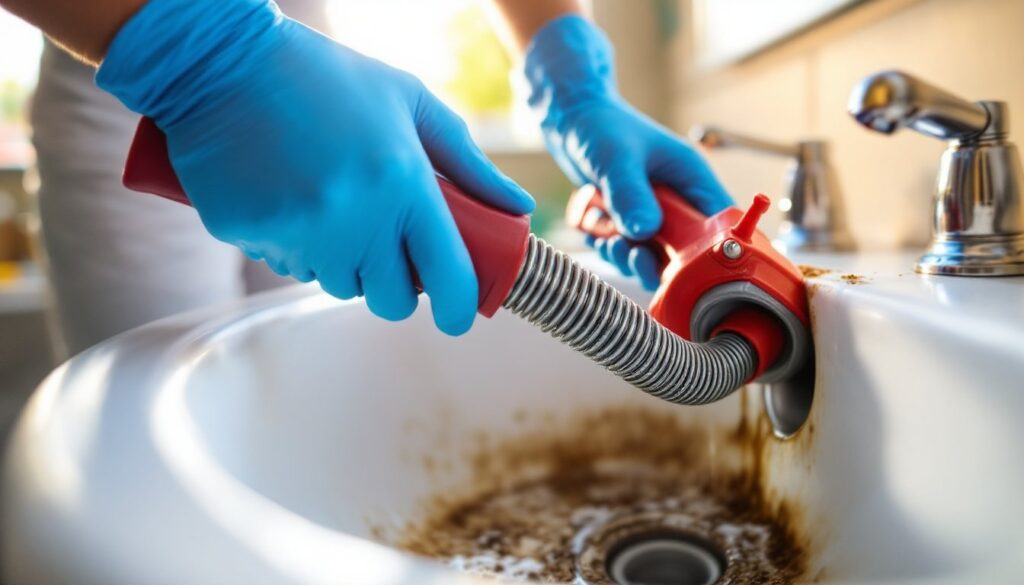
Hand-crank models are the traditional choice and remain popular for smaller clogs. You feed the cable into the drain while turning the crank handle, which applies rotational force to break up blockages. They’re affordable ($20–$80), require no electricity, and give you direct control over cable feed and rotation speed. The downside: they demand physical effort and aren’t ideal for tough blockages in large-diameter pipes.
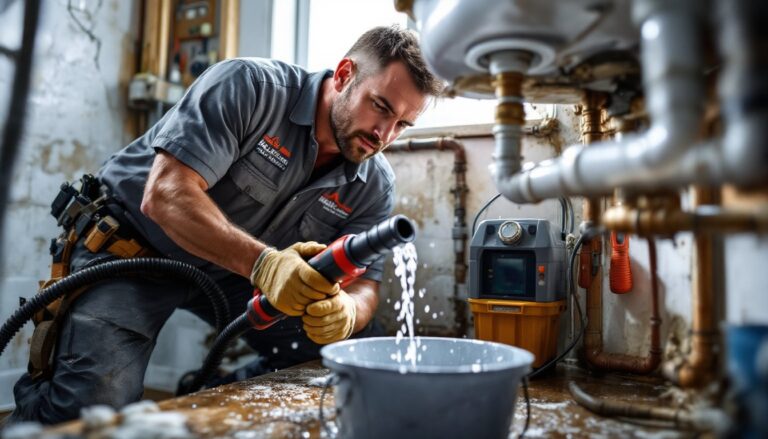
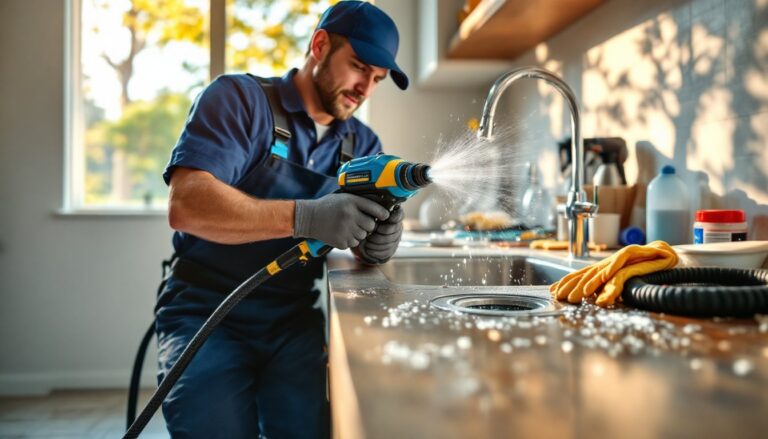
Electric or motorized augers do the heavy lifting for you. A motor drives the cable rotation while you guide it into the drain. They work faster and are far less tiring, making them better suited for main line clogs or situations where you’re dealing with multiple blockages. A mid-range electric drum auger costs $150 to $300: professional-grade machines can exceed $500.
For occasional household use, a hand-crank cable is usually sufficient. If you’re a landlord managing multiple units or running into frequent clogs, an electric model pays for itself in time and effort saved.
How To Use A Drain Cable Safely And Effectively
Using a drain cleaning cable isn’t complicated, but technique matters. Poor execution can damage pipes, create a mess, or leave the clog partially cleared.
Preparation And Safety Precautions
Start by removing any visible debris from the drain opening. If you’re working with a sink, pull out the pop-up stopper or strainer. For a toilet, a drain cable works best after you’ve removed excess standing water.
Safety first: Wear latex or nitrile gloves and safety glasses. Drain blockages often contain bacteria, mold, and debris that you don’t want on your bare hands or splashing toward your eyes. If using an electric auger, ensure you’re on a dry surface and the cord is in good condition.
Step-by-step process:
- Insert the cable slowly. Feed the cable into the drain opening with gentle, steady pressure. Don’t force it: if you hit resistance, you’ve likely reached the clog or a bend in the pipe.
- Apply rotational force. If using a hand crank, turn the handle clockwise while maintaining slight forward pressure. The spinning motion cuts through the blockage.
- Work the clog methodically. Rotate and push for 30 seconds, then reverse and pull back slightly. This creates a screwing action that helps dislodge debris.
- Retrieve or flush. Once you’ve broken up the clog, remove the cable and flush hot water down the drain. For major clogs, repeat the process or use a plunger to help clear remaining debris.
- Clean up thoroughly. Bacteria and organic matter cling to the cable. Rinse it thoroughly with hot water and allow it to dry before storing.
Pro tip: If the cable becomes stuck, stop immediately. Don’t force it, reversing slowly often frees it. Forcing a stuck cable can kink it or damage the pipe.
According to guidance on how to clear a clogged drain, the most common mistake homeowners make is using excessive force. Let the cable’s rotation do the work.
When To Call A Professional Plumber
A drain cleaning cable is powerful, but it’s not a catchall. Knowing when to stop and call a professional saves you time, frustration, and potential damage to your plumbing system.
Call a professional if:
- The clog persists after multiple attempts. A stubborn blockage deep in a main line often requires a motorized auger and video inspection to locate the exact problem.
- You suspect a broken or collapsed pipe. A camera inspection (which only plumbers have) can diagnose structural issues. Using a cable on a damaged pipe worsens the problem.
- The clog is in a cast iron or clay pipe. Older pipes are fragile. Aggressive cable use can cause cracks. A plumber can assess the pipe condition and use gentler techniques if appropriate.
- Water is backing up into multiple drains simultaneously. This points to a main line blockage, which often requires professional equipment and expertise.
- You’ve experienced frequent clogs in the same location. This suggests a structural issue, improper slope, root intrusion, or grease accumulation, that a cable alone won’t fix.
- You’re uncomfortable working with the tool or the drain. If something feels off or unsafe, there’s no shame in calling in help.
A plumber can also inspect your system and offer preventive advice. Resources like how to use a drain snake outline situations where professional intervention is truly necessary, and it’s worth the read before you decide whether to DIY.
Cost reality: A plumber visit typically runs $150–$300 for a service call plus the cost of clearing the clog. If you’re confident in your ability to use a cable on a straightforward clog, you’ll save that money. On complex issues, a plumber’s diagnostic skills and specialized equipment earn their fee.
Conclusion
A drain cleaning cable is a practical, cost-effective tool that most homeowners should have on hand. For small to moderate clogs in sinks, showers, and accessible drain lines, it delivers reliable results without harsh chemicals or expensive service calls. The key is matching the tool to the job, a lightweight hand-crank cable for bathroom drains, something heavier for kitchen lines, and using proper technique to avoid frustration or damage.
Know your limits. If a clog won’t budge after one or two serious attempts, or if you suspect something deeper is wrong, call a plumber. They have the equipment, experience, and insurance to handle the toughest jobs safely. Until then, grab a cable, suit up with gloves and safety glasses, and clear that clog yourself.