As the world becomes increasingly aware of climate change and rising energy costs, energy-efficient homes are gaining popularity. These homes not only reduce environmental impact but also provide significant savings on utility bills. With smart design and innovative technology, they offer a sustainable lifestyle that appeals to both homeowners and builders alike.
Energy-efficient homes incorporate features like high-quality insulation, energy-efficient appliances, and renewable energy sources. By optimizing energy use, these homes create comfortable living spaces while minimizing waste. In this article, readers will discover the benefits of energy-efficient homes, practical tips for making a home more sustainable, and the latest trends shaping the future of eco-friendly living.
Overview of Energy-Efficient Homes
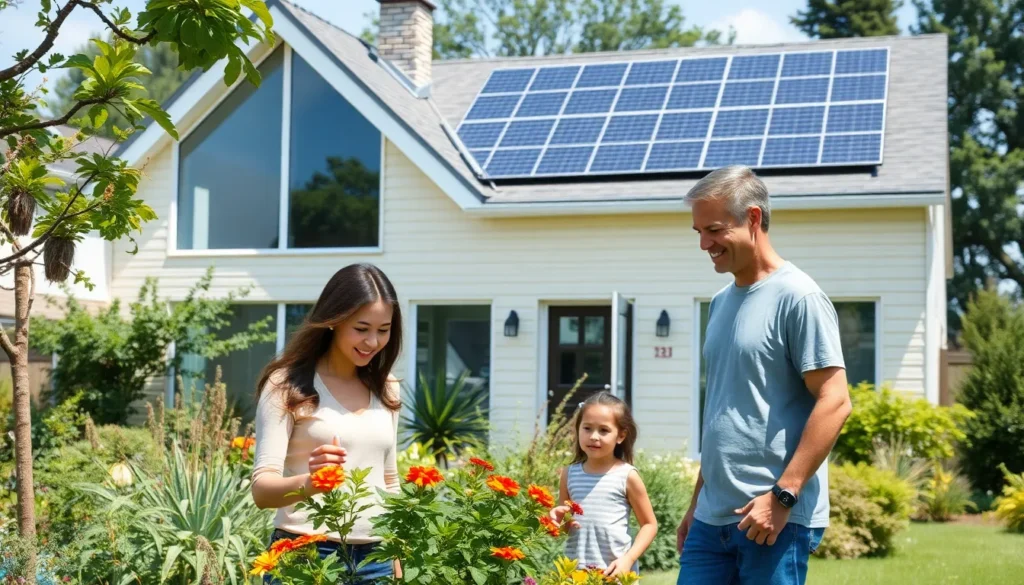
Energy-efficient homes prioritize sustainability and cost savings through smart design and technology. These homes utilize high-quality insulation, energy-efficient appliances, and smart home technology to reduce energy consumption. Energy-efficient designs often incorporate renewable energy sources, such as solar panels, which further minimize reliance on non-renewable energy.
Energy-efficient homes contribute significantly to environmental preservation by lowering greenhouse gas emissions. Homeowners can experience reduced utility bills, enhancing financial savings while promoting eco-friendly living. Features like energy-efficient windows and HVAC systems maintain comfortable indoor temperatures year-round, improving overall quality of life.
A report from the U.S. Department of Energy indicates that energy-efficient homes can be up to 30% more efficient than traditional homes. As climate awareness grows, the demand for energy-efficient homes continues to rise, making them an essential choice for modern living.
Benefits of Energy-Efficient Homes
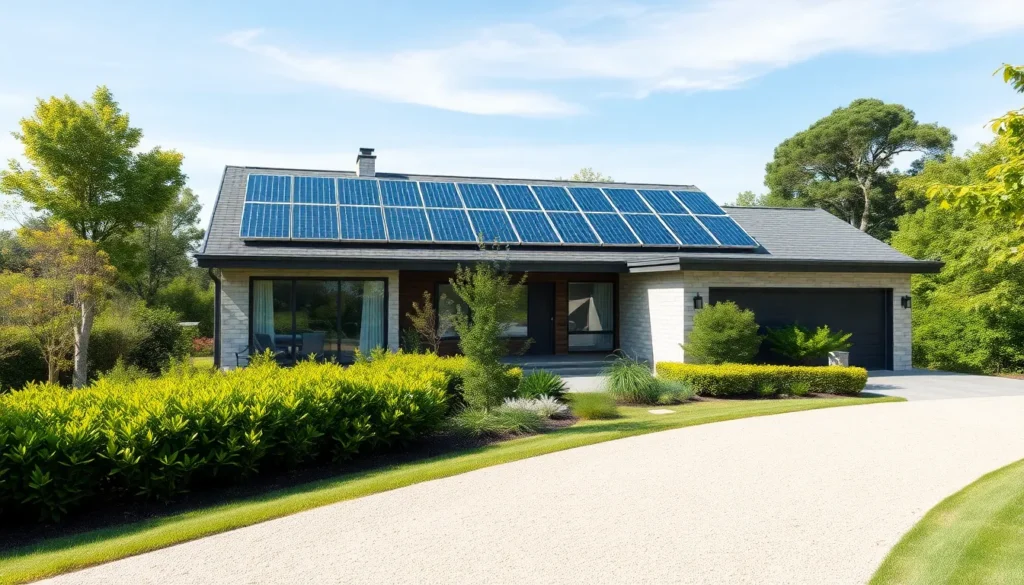
Energy-efficient homes offer significant advantages for homeowners and the environment. These benefits include cost savings and a reduced environmental impact.
Cost Savings
Cost savings arise from lower utility bills and reduced maintenance expenses. Energy-efficient homes typically consume up to 30% less energy than traditional homes, according to the U.S. Department of Energy. Strategies for achieving cost savings include:
- High-quality insulation: Efficient insulation minimizes heat loss, leading to reduced heating and cooling costs.
- Energy-efficient appliances: Upgrading to ENERGY STAR-rated appliances decreases energy consumption and utility bills.
- Smart home technology: Integrating smart thermostats and energy monitoring systems optimizes energy use and further reduces expenses.
Environmental Impact
- Reduced carbon footprint: Energy-efficient practices decrease reliance on fossil fuels, which contributes to lower carbon emissions.
- Conservation of resources: Sustainable building materials and energy sources minimize the depletion of natural resources.
- Enhanced indoor air quality: Proper ventilation and energy-saving features improve indoor air quality, promoting health and well-being.
Key Features of Energy-Efficient Homes
Energy-efficient homes incorporate specific elements that enhance sustainability and reduce energy consumption. These features work together to create comfortable living environments while conserving resources.
Insulation and Air Sealing
Insulation acts as a barrier, preventing heat loss during winter and heat gain during summer. High-quality materials, such as spray foam, cellulose, or fiberglass, enhance thermal performance. Air sealing complements insulation by filling gaps around doors, windows, and other penetrations. Sealing these areas minimizes drafts, ensuring consistent indoor temperatures. According to the U.S. Department of Energy, proper insulation and air sealing can increase a home’s energy efficiency by up to 20%.
Energy-Efficient Windows
Energy-efficient windows come with multiple panes, low-emissivity (Low-E) coatings, and insulated frames. These features reduce heat transfer, keeping interiors warm or cool as necessary. Double or triple-pane windows, combined with argon gas filling, enhance performance by limiting air movement. Energy-efficient windows can lower heating and cooling costs by up to 15%, making them a critical component of energy-efficient home design.
Efficient Heating and Cooling Systems
Efficient heating, ventilation, and air conditioning (HVAC) systems utilize advanced technology to optimize energy use. Units equipped with variable-speed motors and programmable thermostats adjust output based on real-time temperature needs. ENERGY STAR-rated systems provide superior efficiency, often using 30% less energy than traditional systems. Regular maintenance of HVAC systems further improves efficiency and indoor air quality, contributing to overall energy savings.
Designing Energy-Efficient Homes
Designing energy-efficient homes involves utilizing innovative strategies and technologies that enhance sustainability while reducing energy consumption. This section explores the use of sustainable materials and the integration of smart home technology.
Sustainable Materials
Sustainable materials play a crucial role in energy-efficient home design. These materials contribute to a lower environmental impact and improved energy performance. Key examples include:
- Recycled Materials: Using materials such as reclaimed wood and recycled metal supports resource conservation and reduces waste.
- Low-VOC Paints: Low in volatile organic compounds, these paints improve indoor air quality and reduce environmental harm.
- Insulated Concrete Forms (ICFs): ICFs enhance insulation and structural integrity, proving effective in minimizing energy loss.
- Sustainable Flooring: Bamboo and cork provide renewable flooring options that require less energy to produce.
- High-Performance Glass: Double or triple-glazed windows with low-emissivity coatings improve thermal efficiency and decrease heating and cooling costs.
These sustainable materials not only enhance energy efficiency but also contribute to the overall aesthetic and health of living spaces.
Smart Home Technology
Smart home technology significantly boosts energy efficiency by automating and optimizing energy use. Key technologies include:
- Smart Thermostats: These devices learn user preferences and adjust heating and cooling schedules, reducing energy waste.
- Home Automation Systems: Centralized control over lighting, heating, and appliances allows for energy-efficient management throughout the home.
- Energy Monitoring Systems: These systems track energy consumption in real-time, enabling homeowners to identify and reduce energy use.
- Smart Appliances: Energy-efficient appliances connect to home networks, allowing for scheduled operation during off-peak energy hours.
- Solar Energy Systems: Integrated solar panels produce renewable energy, reducing reliance on fossil fuels and lowering utility bills.
Incorporating smart home technology leads to significant energy savings and enhances user convenience, making homes more efficient and environmentally friendly.
Embracing energy-efficient homes is a proactive step towards a sustainable future. These homes not only provide significant cost savings but also contribute to a healthier environment. By incorporating advanced technologies and sustainable materials, homeowners can create spaces that are both comfortable and eco-friendly. As the demand for energy-efficient living continues to rise, it’s clear that investing in these homes is a wise choice for anyone looking to reduce their carbon footprint while enjoying long-term financial benefits. The shift towards energy efficiency is more than a trend; it’s a commitment to responsible living that benefits both individuals and the planet.