Ever stared at that “dry clean only” tag and thought, “Why can’t I just toss it in the wash?” Well, you’re not alone. Many folks dread the thought of paying for dry cleaning when they could easily tackle it at home. With a little know-how and some clever tricks, you can save both your clothes and your wallet from the clutches of the dry cleaner.
Understanding Dry Cleaning
Dry cleaning is a cleaning method for clothes that uses solvents instead of water. This process effectively removes stains and dirt from delicate fabrics, which may be damaged by traditional washing.
What Is Dry Cleaning?
Dry cleaning refers to a specialized cleaning technique designed for garments labeled “dry clean only.” The method typically involves using a non-water-based solvent, such as perchloroethylene, to dissolve stains and clean fabric fibers. When used correctly, this process protects garments by minimizing the risk of shrinkage or fading. Many types of fabric, including silk, wool, and rayon, benefit from this approach. Home users can replicate aspects of dry cleaning with the right materials and techniques.
How Does Dry Cleaning Work?
Dry cleaning works through a series of key steps. First, garments are inspected for stains and sorted by fabric type. Next, an appropriate solvent is used to treat specific stains while the clothing is placed in a machine that gently agitates and cleans the fabrics. Solvents used evaporate quickly, leaving little to no residue on garments. After cleaning, clothes undergo drying to remove any remaining solvent, then are pressed or steamed to restore their shape and appearance. Home methods mimic this process but may use alternative cleaning products designed for delicate fabrics.
Preparing for Dry Cleaning at Home
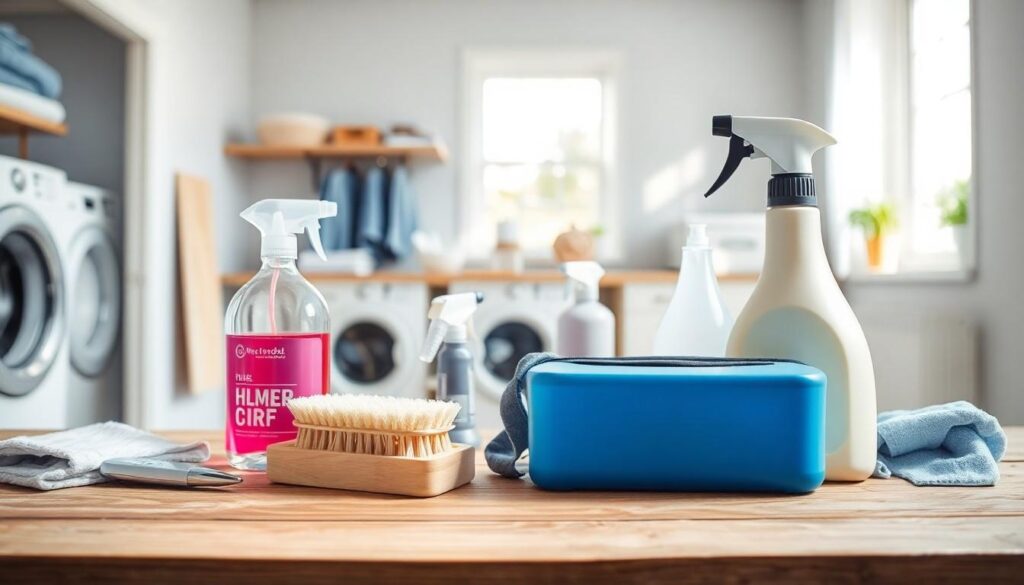
Preparation is essential for successful dry cleaning at home. Gathering the right materials and checking care labels ensures optimal results for delicate garments.
Gathering Materials
Identify necessary items before starting. You’ll need a stain removal solution specifically designed for dry cleanable fabrics. Select a clean, breathable storage bag to hold the garments. Equip yourself with a soft brush to gently remove surface dirt or dust. Choose a clean cloth for spot cleaning stains. Lastly, consider purchasing a home dry cleaning kit to streamline the process. Kits typically include fabric-safe solvents, stain treatment pads, and a drying bag, enhancing convenience for home use.
Checking Care Labels
Inspect care labels on garments for crucial guidance. They provide specific cleaning instructions, indicating whether an item is suitable for home care or strictly requires professional services. Look for symbols that denote dry clean only, hand wash, or machine wash options. A clear understanding of these symbols prevents damage to delicate fabrics. Following care label instructions enhances garment longevity while ensuring effective cleaning methods are employed. Evaluate the fabric type and determine the appropriate cleaning process based on this information for best results.
Step-by-Step Guide to Dry Cleaning at Home
This guide outlines essential steps for effectively dry cleaning at home. Following these instructions ensures proper care for delicate garments.
Spot Treatment
Start with identifying stains on the fabric. Apply a suitable stain removal solution directly to the affected area. Allow it to sit for a few minutes, letting the solution penetrate the fabric. Blot the stain gently with a clean cloth, avoiding rubbing that might damage the fibers. Clean with a soft brush to remove surface dirt, preparing the fabric for washing. Repeat the process if necessary until the stain fades significantly.
Washing and Drying Process
Choose a breathable storage bag or suitable garment bag for washing. Place the treated garments inside, ensuring enough space to move freely. Add a dry clean solution according to the kit instructions. Set the washing machine to a delicate cycle with cold water, minimizing agitation. Once the cycle is complete, remove garments promptly to prevent wrinkles. Dry fabric flat or hang to air dry, steering clear of direct sunlight to maintain color integrity.
Ironing and Finishing Touches
Inspect garments for wrinkles after they’ve dried. Use a low heat setting on the iron according to the fabric type. Place a clean cloth between the iron and the garment to safeguard delicate fibers. Steam can also help release stubborn wrinkles without direct contact. Finish by checking for any remaining stains, repeating spot treatment if necessary. Properly store garments in a breathable space to maintain their shape and quality.
Tips for Successful Home Dry Cleaning
Successful home dry cleaning involves careful preparation and attention to detail. Understanding common mistakes and using recommended products helps achieve effective results.
Common Mistakes to Avoid
Avoid using regular detergents on dry clean only items. These products can damage delicate fabrics and alter their appearance. Missing the care label check often results in choosing inappropriate cleaning methods. People sometimes assume all stains can be treated the same way, but different fabrics require specific treatments. Overloading the washing machine is another frequent mistake; it can prevent proper cleaning and lead to wrinkled garments. Ignoring the drying process, such as using high heat or sunlight, risks damaging delicate fibers. Leaving stains untreated before washing can cause them to set permanently. Educating oneself about these pitfalls enhances the home dry cleaning experience.
Recommended Products
Selecting the right products is essential for effective home dry cleaning. A quality stain remover designed for delicate fabrics is crucial; it targets stains without risking damage. A home dry cleaning kit simplifies the process, providing necessary materials like garment bags and solutions. Breathable storage bags help maintain fabric integrity while in storage. A soft brush serves well for removing surface dirt before treatment. An iron with adjustable heat settings protects delicate fibers during finishing touches. These products create a comprehensive approach to condition-sensitive garments, ensuring optimal care.
Mastering the art of home dry cleaning empowers individuals to take control of their wardrobe. By following the right steps and using suitable products, it’s possible to maintain the quality of delicate fabrics without the expense of professional services.
Preparation is key to achieving successful results. With the right materials and techniques, anyone can effectively clean their “dry clean only” items at home. This not only saves money but also extends the life of cherished garments.
Taking the time to understand fabric care and avoiding common mistakes will lead to a more satisfying and efficient cleaning experience. Embracing home dry cleaning opens up new possibilities for wardrobe maintenance and personal style.