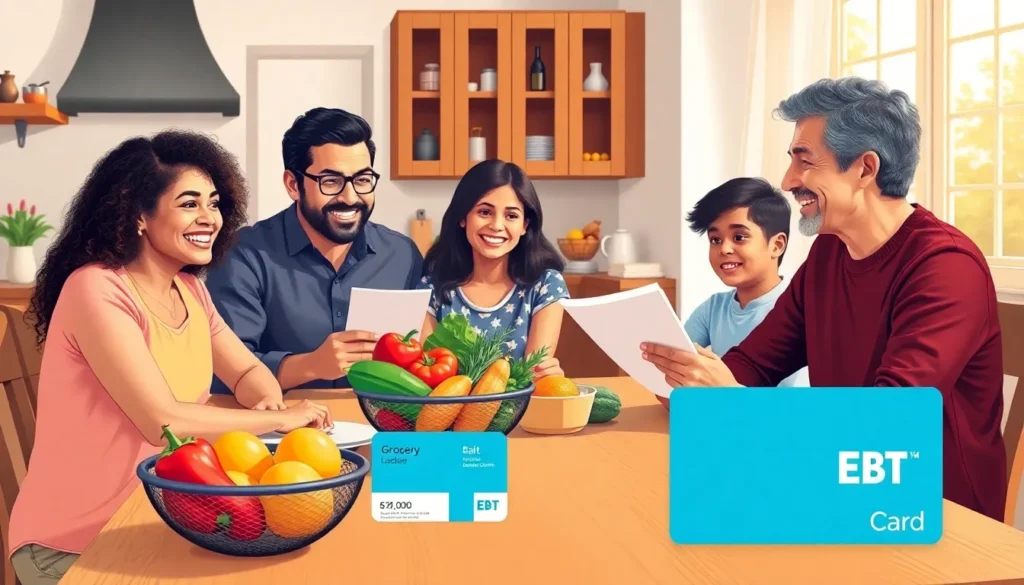
As 2025 approaches, parents are gearing up for the much-anticipated P-EBT deposit dates. This program, designed to help families with children who rely on school meals, is like the surprise party you didn’t know you needed—except it’s not a party and there’s no cake. But hey, who doesn’t love a little extra cash for groceries?
Overview of P-EBT 2025
P-EBT, or Pandemic Electronic Benefit Transfer, helps families by providing additional funds for groceries. This program targets families with children who typically rely on school meals, ensuring that no child faces food insecurity. In 2025, the deposit dates will be crucial for recipients to anticipate and plan their budgets.
States are responsible for determining the exact distribution dates. Each state aims for timely deposits, often scheduled during school vacations or closures. Families should expect to receive funds automatically on their EBT cards, as long as they meet eligibility criteria. The amount provided per child may vary based on the number of missed school meals.
Tracking deposit dates is essential. Families can check with their state’s SNAP office for updates and specific dates related to distributions. Resources such as state websites or local offices provide reliable information on P-EBT benefits.
Using P-EBT funds wisely can enhance overall food security for families. The allowance can cover essentials like fruits, vegetables, dairy, and protein sources. Planning around these funds can enable families to stretch their grocery budgets further.
P-EBT continues to serve as a crucial safety net, especially during economic challenges. As 2025 unfolds, staying informed on deposits encourages families to take full advantage of the support available. Being proactive ensures no family misses out on these critical benefits.
Importance of P-EBT Benefits

P-EBT benefits significantly enhance the food security of families with children relying on school meals. These benefits serve as crucial support in challenging economic climates.
Support for Families
Families receive essential financial help through P-EBT during times of need. Increased access to funds enables them to afford nutritious food options. Automatic deposits on EBT cards simplify budgeting, allowing families to plan grocery purchases effectively. State agencies determine eligibility, ensuring those in most need are prioritized. Each child eligible for P-EBT can receive varying amounts based on missed school meals, providing equitable support. Tracking deposit dates through state SNAP offices maximizes the benefits, ensuring families can rely on timely assistance.
Impact on Children’s Nutrition
Improving children’s nutrition is a primary goal of P-EBT benefits. With supplementary funds, families can purchase healthier food choices that promote growth and well-being. Nutrition directly influences children’s academic performance and overall health. Access to more nutritious options helps combat food insecurity, which often leads to negative health outcomes. P-EBT plays a key role in maintaining adequate diets, enabling children to thrive both at home and in school. Families that leverage these benefits contribute to their children’s long-term health and development.
P-EBT 2025 Deposit Dates
Families can rely on upcoming P-EBT deposit dates to receive crucial financial support throughout 2025. Tracking these dates aids in effective budgeting for groceries.
Official Schedule
Each state establishes its own official schedule for P-EBT deposits. Dates typically align with school closures, ensuring that families receive assistance during significant breaks. For example, many states distribute funds at the beginning of school vacations or after a closure period. Families can check their state’s SNAP office website for the most accurate and up-to-date information regarding these dates.
Variations by State
Deposit amounts and timing vary by state, reflecting local policies and specific needs. Some states might implement monthly payments, while others offer lump sums based on missed school meals. Each state’s unique approach to the program addresses local food insecurity challenges. By understanding these variations, families can better prepare for their individual circumstances and maximize their benefits effectively throughout 2025.
Eligibility Criteria for P-EBT
Eligibility for P-EBT primarily depends on several factors. Families must have children who qualify for free or reduced-price school meals under the National School Lunch Program. Students learning remotely also meet eligibility requirements.
Qualifying students typically include those enrolled in pre-K through grade 12. States determine eligibility based on local guidelines, which may consider household income and participation in SNAP benefits.
Automatic enrollment occurs for families already participating in SNAP or similar assistance programs, simplifying access to P-EBT. Non-SNAP households may also apply, but they must demonstrate their children’s meal eligibility through school records.
Importantly, eligibility criteria might vary by state, requiring families to check with their local SNAP offices for specific rules. Each state separates their implementation plan regarding deadlines and documentation. By staying informed about these criteria, families can secure the necessary support.
Families facing significant economic hardships should pay close attention to updates from their state agencies. This financial assistance plays a critical role in ensuring children have access to nutritious meals, particularly during school closures or remote learning periods. Tracking changes in eligibility can empower families to navigate the system effectively and maximize their benefits in 2025.
How to Access Your Benefits
Families can access their P-EBT benefits through their EBT cards. Typically, states automatically deposit funds directly into these cards, eliminating the need for separate applications for P-EBT assistance. Eligible parents and guardians receive notifications about upcoming deposits. These notifications usually arrive via email or text message.
Check your EBT balance regularly to ensure you know when new funds become available. Each state provides its own methods for checking EBT card balances, often through state-specific mobile apps or websites. It’s important to remain proactive about budgeting based on your state’s deposit schedule.
Direct deposits can vary significantly by state. Some states may distribute funds monthly, while others opt for lump sums based on the total amount of missed school meals. Understanding this timing can help families plan their grocery purchases effectively.
Families already enrolled in SNAP are automatically included in the P-EBT program, but others may need to verify their children’s eligibility. Local SNAP offices provide essential resources for confirming eligibility based on household income and school records. Remote learners also qualify, which expands access for more families in need.
Resources for tracking benefit updates are readily available online. Families should check their state’s SNAP office website regularly for the latest information. Staying informed about changes or updates ensures families can optimize their benefits throughout 2025.
As 2025 approaches families can look forward to the essential support provided by P-EBT benefits. These funds play a crucial role in ensuring children have access to nutritious meals during challenging times. By staying informed about deposit dates and eligibility criteria families can effectively manage their budgets and make the most of the assistance available.
Tracking updates through state SNAP offices will help families navigate the system smoothly. With careful planning and awareness of the P-EBT program families can optimize their benefits and enhance their food security throughout the year.