Table of Contents
ToggleSpring cleaning isn’t just about swapping out winter décor, it’s a chance to reset your home from the ground up. After months of closed windows, accumulated dust, and the wear winter puts on everything indoors, a thorough seasonal refresh keeps your spaces functional, healthy, and genuinely pleasant to live in. Whether you’re tackling one room or the whole house, the right approach and products make the difference between a weekend of drudgery and a satisfying project that leaves your home sparkling. This guide covers the essentials: why spring cleaning matters, which products deliver real results, and how to organize your effort so nothing gets missed.
Key Takeaways
- Spring cleaning products should focus on versatile, effective cleaners like all-purpose cleaners, degreasers, and bathroom-specific products that handle multiple surfaces without requiring excessive scrubbing.
- Microfiber cloths and tools outperform traditional cleaning supplies by trapping particles, reducing chemical use, and leaving fewer streaks on windows and hard surfaces.
- A room-by-room approach prevents overwhelm and maintains momentum—start with bedrooms as a warm-up, move through bathrooms and kitchens, then finish living spaces and laundry rooms.
- Allowing cleaning products 5–15 minutes of contact time lets chemistry break down grime, eliminating the need for aggressive scrubbing that wastes energy and risks surface damage.
- Spring cleaning improves indoor air quality, reduces allergens, and reveals maintenance issues like water stains or mold before they become costly problems.
- Breaking your spring cleaning into manageable daily sessions over a week prevents burnout while organizing and decluttering as you clean keeps spaces from reverting to clutter immediately after.
Why Spring Cleaning Matters For Your Home
Spring cleaning serves a practical purpose beyond aesthetics. During winter, homes stay sealed tight against cold air, trapping dust, pet dander, mold spores, and other irritants. Humidity fluctuates, surfaces accumulate grime, and corners collect the debris that builds up when you’re not paying close attention. A deep clean in spring removes these accumulations, improving indoor air quality and reducing allergens, especially important if anyone in the household has asthma or sensitivities.
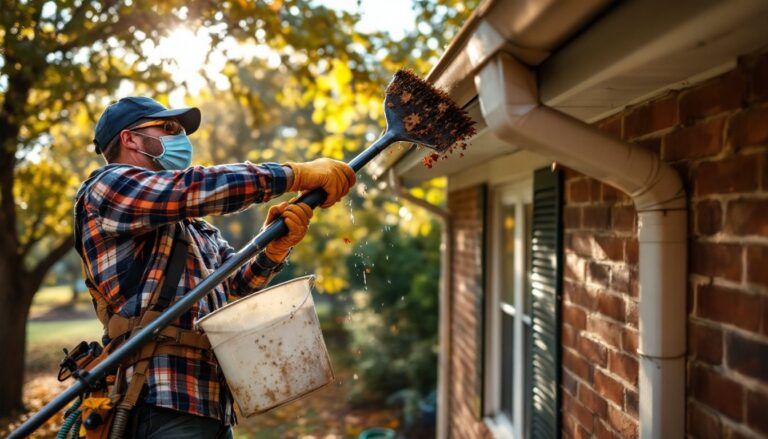
Beyond health, spring cleaning helps you identify small maintenance issues before they become expensive problems. Checking baseboards, window tracks, and corners reveals water stains, pest activity, or mold starting to take hold. Cleaning out gutters, vents, and exhaust fans prevents buildup that reduces efficiency or causes fire hazards. You’re not just cleaning: you’re also doing preventive maintenance that protects your investment and keeps systems running smoothly.
Essential Spring Cleaning Products Every Homeowner Needs
Stocking up on the right supplies before you start saves trips back to the store and ensures you can tackle any surface without frustration. You don’t need a cabinet full of specialty products, focus on versatile, effective cleaners and tools that handle multiple tasks.
All-Purpose Cleaners And Degreasers
A good all-purpose cleaner handles countertops, appliances, tile, and most hard surfaces. Look for products that cut through grease and grime without requiring heavy scrubbing or leaving streaks. Vinegar-based cleaners work well on glass and mirrors, though they’re less effective on dried soap scum or hard water deposits. For stubborn buildup on stovetops, ovens, or bathroom tiles, a degreaser with stronger solvents is worth the investment, it saves your back and your time.
For bathrooms specifically, a bathroom-specific cleaner tackles soap scum, water stains, and light mold better than general-purpose products. Many contain mild bleach or hydrogen peroxide, which disinfects without the harsh fumes of full-strength chlorine. Check labels to avoid mixing products, never combine bleach with ammonia-based cleaners, as this creates toxic gas.
Specialized Tools And Equipment
The right tools matter more than most homeowners realize. A microfiber cloth set outperforms cotton rags for dusting and window cleaning, they trap particles rather than pushing them around and leave fewer streaks. Microfiber works with just water on most surfaces, cutting chemical use. A squeegee is invaluable for bathrooms and windows: it removes water quickly, preventing water spots and mold growth in shower enclosures.
For floors, a microfiber mop (not traditional string mops) dries faster and cleans more effectively. Pair it with a bucket that has a wringing mechanism to avoid oversaturating floors. A stiff brush and soft brush each have their place, stiff for grout lines and baked-on grime, soft for delicate surfaces and baseboards. When tackling vents, ceiling fans, or tight corners, a Home Cleaning Tools: Transform set usually includes angled brushes and extension tools that reach spots regular cleaning supplies can’t. Don’t overlook rubber gloves (nitrile or natural rubber) and safety glasses, cleaning chemicals can splash, and gloves protect your skin while improving grip on wet surfaces.
Room-By-Room Spring Cleaning Strategy
Tackling your entire home at once is overwhelming. Breaking it into rooms keeps momentum strong and prevents decision fatigue. Start with bedrooms, where the job is lighter, dust surfaces, change bedding, wipe down windows and sills, and vacuum thoroughly including under the bed. Bedrooms set a good warm-up pace.
Move to bathrooms next while you’re in the rhythm. Clean mirrors, fixtures, and countertops first, then tackle the tub and shower. Let bathroom cleaner sit for 5–10 minutes on stubborn soap scum before scrubbing, chemical contact time does the work for you. Finally, mop floors and don’t forget ventilation: run the exhaust fan during and 20 minutes after cleaning to reduce moisture that feeds mold.
Kitchens take the most time but reward effort immediately. Start high (ceiling, light fixtures, top shelves) and work down so dust falls onto areas you haven’t cleaned yet. Remove items from cabinets, wipe shelves, and return items organized by type. Clean the inside of the refrigerator and oven, both are easier in spring when you’re already in cleaning mode. Appliances benefit from attention: wipe down the exterior of the refrigerator, stovetop, and microwave. Resources like Cleaning Hacks for Home: Transform often detail steps that save time on repetitive tasks.
Living spaces (living room, dining room, hallways) involve dusting, vacuuming, and wiping down light switches and baseboards. Windows and window sills deserve real attention, they accumulate winter grime and track dirt indoors. Wipe sills with a damp cloth, then clean glass with a squeegee and cleaner for streak-free results. Laundry rooms get overlooked but trap lint and dust: clean the dryer exterior, vacuum intake vents, and wipe shelves.
Making Spring Cleaning Easier And More Effective
Success comes from prep and strategy, not heroic effort. The night before starting, set up your space: gather all products in a caddy or bucket so you’re not hunting supplies from room to room. Wear comfortable clothing and closed-toe shoes, you’ll be moving, kneeling, and potentially exposed to cleaning fumes. Open windows once temperatures allow, even just cracking them during work, to ensure ventilation and faster drying times.
Work top-to-bottom, left-to-right in each room so gravity and logic guide your process. Start with dusting (particles fall) and finish with floors. This prevents re-cleaning. Let chemical cleaners sit for the time recommended on labels, usually 5–15 minutes, so they break down grime rather than requiring you to scrub harder. Pressure and time do the work: aggressive scrubbing wastes energy and can scratch surfaces.
Don’t skip the obvious spots: baseboards accumulate dust and pet hair, light switches get grimy from daily contact, and ceiling corners catch cobwebs. A microfiber cloth folded into a tight point handles corners efficiently. Declutter as you clean, if you’re emptying drawers or cabinets, remove items you no longer use. Spring cleaning is the perfect time to assess what you actually need. According to guidance from The Spruce, organizing as you clean prevents items from piling back up immediately after.
Break work into manageable sessions. You don’t have to finish the entire house in one weekend. Tackle one or two rooms per day over a week, and you’ll avoid burnout. Set a timer if it helps maintain focus, knowing you have 90 minutes makes the task feel finite. After each room, take a brief break, hydrate, and reset your supplies for the next space.
Conclusion
Spring cleaning renews your home and your space. Stock quality all-purpose cleaners, degreasers, and microfiber tools, then work room-by-room with patience and strategy. Let chemistry do the work, proper contact time with cleaners beats brute force every time. Your cleaned home isn’t just prettier: it’s healthier, better-maintained, and a genuinely better place to live for the season ahead.