Urban living is evolving at a rapid pace, shaping the way people experience city life. From innovative housing solutions to the latest in sustainable practices, the urban landscape is constantly transforming. With more people flocking to metropolitan areas, staying updated on urban living news has never been more crucial.
Cities are becoming hubs of creativity, technology, and culture, offering a unique blend of opportunities and challenges. As urban dwellers navigate this dynamic environment, they seek insights into trends that impact their daily lives, such as transportation, housing, and community initiatives. This article dives into the latest developments in urban living, providing a comprehensive look at what’s happening in the heart of the city.
Overview of Urban Living News
Urban living is continuously evolving, with new developments shaping the character of metropolitan life. Staying updated on the latest trends and innovations is crucial for residents and stakeholders alike.
Key Trends in Urban Living
- Sustainable Housing Developments: Many cities now prioritize eco-friendly designs, incorporating green building practices into new projects. Examples include energy-efficient materials and renewable energy sources.
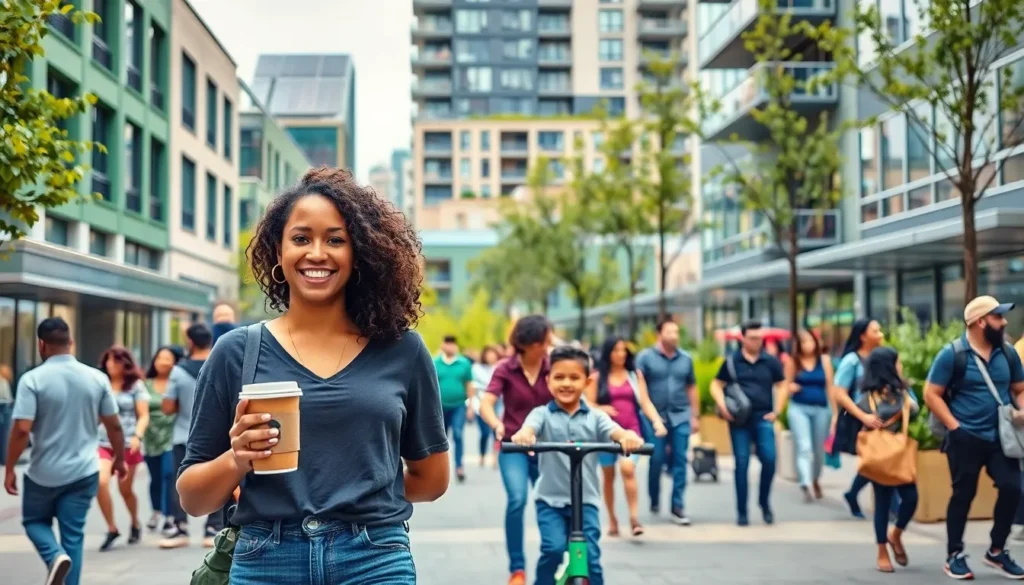
- Mixed-Use Spaces: Urban areas increasingly feature mixed-use developments, combining residential, commercial, and recreational spaces. This trend enhances walkability and reduces reliance on cars.
- Affordable Housing Initiatives: Cities face growing pressure to address housing affordability. Initiatives aimed at increasing affordable housing stock are gaining traction across various regions.
- Community Engagement Programs: Many urban areas implement programs fostering community interaction. These programs encourage residents to participate in local decision-making processes.
- Public Transportation Improvements: Cities invest in expanding and enhancing public transit options. Improved connectivity helps reduce traffic congestion and supports sustainable urban mobility.
Impact of Technology on Urban Living
- Smart City Innovations: Cities deploy smart technologies to improve efficiency and quality of life. Technologies include smart traffic lights, waste management systems, and energy monitoring solutions.
- Remote Work Trends: The rise of remote work influences urban living. Professionals may choose to relocate to suburban or rural areas, impacting housing demand in traditional city centers.
- Mobile Apps for City Services: Many municipalities develop mobile applications allowing residents to access city services easily. These apps facilitate everything from bill payments to reporting local issues.
- Data-Driven Urban Planning: Urban planners increasingly rely on data analytics to inform development decisions. Tools like GIS (Geographic Information Systems) help optimize resource allocation and service delivery.
- E-Mobility Solutions: Electric scooters and bike-sharing programs are gaining popularity. These solutions offer affordable and eco-friendly transportation options, reducing the carbon footprint of urban travel.
Local Updates and Developments
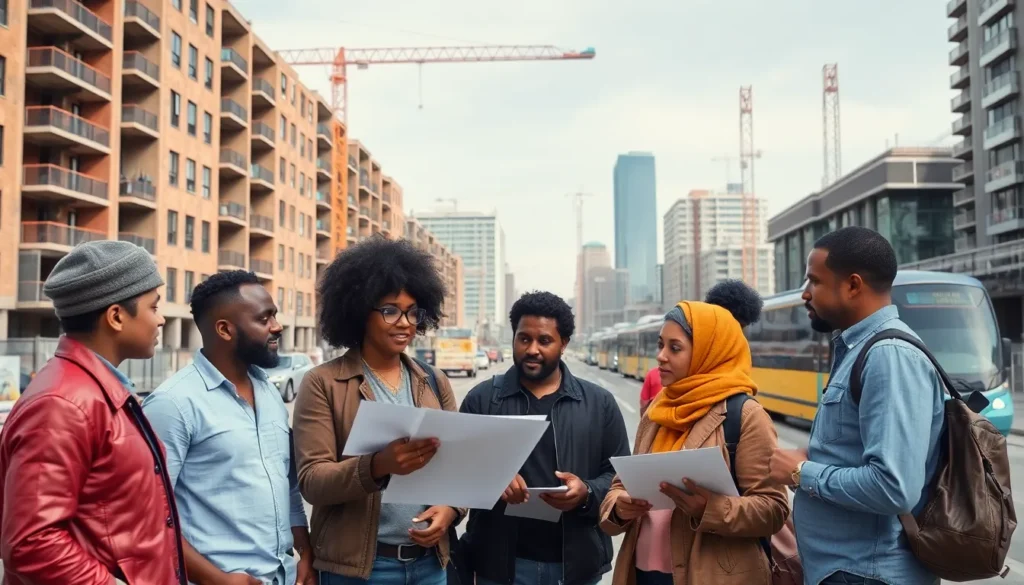
Ongoing urban developments reflect a commitment to enhancing city life. These updates focus on housing and transportation, critical aspects of urban living.
New Housing Initiatives
New housing initiatives are addressing the need for affordable and sustainable living options. Cities are launching mixed-income developments, blending luxury and lower-cost housing to promote diversity. For instance, several metropolitan areas have introduced programs that provide incentives for builders to include affordable units in their projects. Additionally, sustainable building practices are becoming standard, with an emphasis on energy efficiency and environmentally friendly materials. Local governments are collaborating with nonprofit organizations to create supportive housing solutions for vulnerable populations, ensuring equitable access to urban living.
Transportation Improvements
Transportation improvements play a vital role in urban development. Cities are enhancing public transit systems, expanding bus and rail routes to increase accessibility. For example, cities like San Francisco and New York are implementing new bus rapid transit lines focused on reducing travel times. Infrastructure projects also include the addition of dedicated bike lanes and pedestrian pathways, promoting alternative transportation methods. Furthermore, investments in smart traffic management systems are optimizing traffic flow, minimizing congestion, and improving air quality. Efforts to integrate e-mobility solutions, such as electric vehicle charging stations and shared mobility programs, support sustainable urban transportation options.
Lifestyle Changes in Urban Areas
Urban areas are undergoing significant lifestyle changes, driven by shifts in work culture and increased community engagement efforts. These transformations are reshaping the way residents interact with their environments and each other.
Shifts in Work Culture
Shifts in work culture actively influence urban living. The rise of remote work enables professionals to relocate for personal preferences rather than job proximity. Urban centers now see increased demand for co-working spaces that accommodate flexible work arrangements. Additionally, businesses adapt by offering hybrid models, integrating both in-person and virtual options. This flexibility fosters a more balanced work-life dynamic, encouraging urban residents to explore their cities during off-hours. Furthermore, the focus on employee well-being leads companies to prioritize wellness initiatives, resulting in increased access to green spaces and health-focused amenities.
Community Engagement Efforts
Community engagement efforts strengthen urban social fabric. Local governments and organizations initiate programs that encourage civic participation, fostering a sense of belonging among residents. Volunteer opportunities and neighborhood councils allow individuals to voice their concerns and contribute to local initiatives. Cities also host events such as street fairs and community workshops, promoting cultural exchange and collaboration. Digital platforms help facilitate these engagements, making it easier for citizens to access information and share ideas. By emphasizing inclusivity and collaboration, urban areas cultivate vibrant communities that reflect the diverse perspectives of their residents.
Environmental Considerations
Urban living increasingly focuses on environmental considerations, emphasizing sustainability and green initiatives. As cities expand, integrating eco-friendly practices becomes vital for fostering a healthier urban environment.
Sustainable Living Practices
Sustainable living practices in urban areas promote energy efficiency and waste reduction. Urban residents adopt strategies such as:
- Energy-efficient appliances use less power and lower utility bills.
- Composting programs divert organic waste from landfills, enriching soil and reducing methane emissions.
- Rainwater harvesting systems collect and utilize rainwater for irrigation and non-potable uses, conserving municipal water resources.
- Public transportation adoption reduces individual car use, lowering greenhouse gas emissions.
These practices contribute to the overall aim of minimizing the environmental impact of urban lifestyles.
Green Spaces in Cities
Green spaces play a crucial role in enhancing urban environments. Urban planners prioritize parks, gardens, and green roofs for several reasons:
- Improved air quality enhances physical and mental health by filtering pollutants and providing fresh oxygen.
- Biodiversity support fosters habitats for various species, promoting ecological balance in urban settings.
- Community gathering spaces encourage social interactions, improving residents’ quality of life and fostering a sense of belonging.
- Urban heat island mitigation occurs as vegetation provides shade and cools surrounding areas, reducing reliance on air conditioning.
Integrating these green spaces into city planning ensures a sustainable future for urban areas.
Urban living is evolving rapidly as cities adapt to the needs of their growing populations. The focus on sustainability and community engagement is reshaping how residents experience city life. Innovative housing solutions and improved transportation options are making urban areas more accessible and enjoyable.
As technology continues to play a pivotal role in urban development, residents can expect smarter and more efficient city services. The rise of remote work is also influencing living choices, encouraging a blend of urban and suburban lifestyles.
These trends highlight the importance of staying informed about urban developments. Engaging with local initiatives and understanding the changes in city dynamics will empower residents to thrive in their urban environments.