Table of Contents
ToggleIf your dentist has mentioned that you might need a deep cleaning, you’re not alone, it’s one of the most common procedures recommended to patients with gum disease or advanced plaque buildup. Dental deep cleaning, also called scaling and root planing, is a therapeutic treatment that goes beyond a standard cleaning to address problems below the gum line. Unlike routine cleanings that focus on the visible tooth surface, deep cleaning tackles tartar and bacteria in the pockets where your gums have begun to pull away from your teeth. Whether you’re dealing with early-stage periodontal disease or just want to understand what your dentist is recommending, this guide will walk you through everything you need to know about the procedure, its benefits, and how to care for your mouth afterward.
Key Takeaways
- Dental deep cleaning, also called scaling and root planing, removes tartar and bacteria below the gum line where standard brushing cannot reach, halting the progression of gum disease.
- Common signs you may need deep cleaning include persistent bad breath, red or swollen gums, bleeding during flossing, and gums pulling away from teeth—conditions often caught early during regular dental checkups.
- The deep cleaning procedure typically takes 1-2 appointments and involves numbed anesthesia, ultrasonic scaling to remove tartar, and root planing to smooth tooth surfaces and prevent bacterial reattachment.
- Recovery requires gentle mouth care for 7-10 days, including soft foods, avoiding forceful rinsing, and using antimicrobial mouthwash to control bacteria while tissues heal.
- Investing in deep cleaning now costs $500-$2,000 per visit compared to $2,000-$6,000 per tooth for implants or dentures, making it a cost-effective preventive treatment.
Understanding Dental Deep Cleaning: Definition and Purpose
Dental deep cleaning is a non-surgical treatment designed to remove tartar and bacteria from below the gum line, an area that standard brushing and flossing can’t reach. When plaque isn’t removed regularly, it hardens into tartar (also called calculus), which builds up on the root surfaces of your teeth. This buildup causes your gums to separate from the teeth, creating small pockets where infection can develop.
The purpose of deep cleaning is twofold: to remove this harmful buildup and to stop the progression of gum disease. By cleaning deeper than a routine prophylaxis (standard cleaning), your dentist or hygienist can reach into periodontal pockets, those gaps between your teeth and gums, and eliminate the source of inflammation. This isn’t cosmetic: it’s preventative and therapeutic work aimed at preserving your teeth and supporting bone structure.
When bacteria colonize below the gum line, they produce toxins that damage the connective tissues and bone holding your teeth in place. A deep cleaning removes these pathogens and allows your gums to heal and reattach to the tooth surface. Think of it as damage control, stopping the infection before it requires more invasive procedures like bone grafting or tooth extraction.
When You Need Deep Cleaning: Signs and Risk Factors
Your dentist typically recommends deep cleaning when gum disease has progressed beyond gingivitis (simple inflammation) into periodontitis. The hallmark sign is probing depths greater than 3 millimeters, measured during your routine exam when the hygienist gently inserts a probe between your gum and tooth.
Common warning signs include persistent bad breath that doesn’t improve with brushing, red or swollen gums, bleeding when you floss or brush, and loose or shifting teeth. You might also notice your gums pulling away from your teeth, making them appear longer than they used to. Some people don’t notice symptoms at all, which is why regular dental checkups are essential, dentists catch early periodontitis before you feel pain.
Certain risk factors increase your likelihood of needing deep cleaning: smoking is one of the biggest culprits, as it weakens your immune response and impairs gum healing. Diabetes, hormonal changes during pregnancy, stress, poor oral hygiene, and a family history of gum disease all elevate your risk. Recent studies on oral health confirm that genetics play a significant role, if your parents had gum disease, you’re statistically more prone to it. Age matters too: gum disease becomes more common as you get older, but it’s not inevitable with proper maintenance.
The Deep Cleaning Process: What to Expect
Deep cleaning usually takes one to two appointments, depending on how much buildup exists and how sensitive your teeth are. Your dentist or hygienist will take X-rays to assess the extent of tartar and bone loss, then numb the area with a topical anesthetic (a numbing gel) followed by a local anesthetic injection. You’ll be awake throughout the procedure, but the anesthetic prevents pain, you’ll feel pressure and vibration, but not sharp discomfort.
Scaling and Root Planing Explained
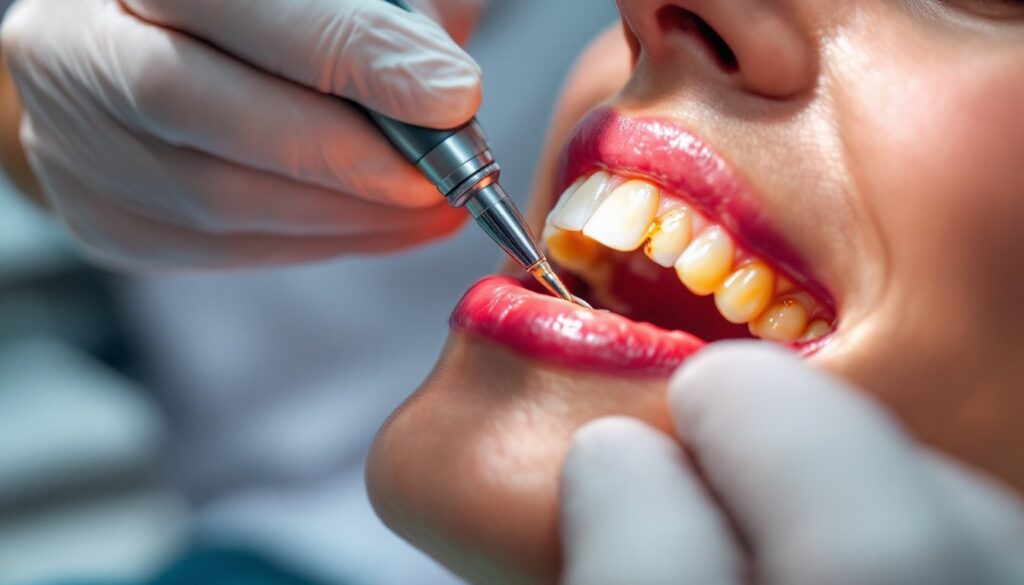
Scaling is the first phase: using an ultrasonic scaler (a vibrating instrument that emits water spray) or hand instruments called curettes, your hygienist or dentist removes tartar above and below the gum line. The ultrasonic scaler works particularly well because the vibration dislodges hardened tartar effectively, and the water spray flushes away debris. You’ll hear a high-pitched humming sound and feel water spraying in your mouth, it’s loud but not painful if you’re properly numbed.
Root planing follows scaling and is equally important. Using hand instruments, your provider smooths the root surfaces of your teeth, removing any remaining tartar and rough spots where bacteria hide. Smooth roots make it harder for plaque to stick and allow your gum tissues to reattach properly. Some offices use laser-assisted root planing, which proponents claim improves healing, though research shows traditional mechanical planing works very well when done thoroughly.
The entire process is methodical and can take 1-2 hours total, often split across two appointments to allow better healing. Recommendations from dental experts emphasize that thorough root planing is more important than speed, rushing the procedure compromises the outcome.
Benefits and Recovery: Aftercare Tips for Home Maintenance
The benefits of deep cleaning are substantial if you commit to follow-up care. Your gums will stop bleeding, pockets will shrink, and the progression of bone loss typically halts. Many patients experience improved breath and a fresher-feeling mouth within days. Long-term benefits include keeping your teeth instead of losing them to advanced periodontal disease, without treatment, periodontitis is the leading cause of tooth loss in adults.
Recovery is generally quick, but you’ll need to be gentle with your mouth for the first week. Your gums may feel tender, sore, and look slightly darker or more inflamed than usual: this is normal and typically subsides within 7-10 days. You might experience tooth sensitivity to cold and hot foods because the roots are now exposed, use a desensitizing toothpaste for a few weeks, and avoid very cold beverages immediately after the procedure.
Follow these aftercare tips: avoid hard, crunchy, hot, or sticky foods for 24 hours. Don’t rinse, spit forcefully, or use a straw for at least 24 hours, you don’t want to disturb the clot forming in the treated pockets. Stick to soft foods like yogurt, applesauce, soup, and smoothies. Your dentist may prescribe or recommend an antimicrobial mouth rinse to use for 1-2 weeks: this helps control bacteria while tissues heal. Home deep cleaning practices and oral hygiene mirror this same principle, removing the source of contamination and maintaining cleanliness prevents problems from returning.
Within 4-6 weeks, your periodontist or dentist will do a follow-up exam to check healing. Your gums should have reattached to the teeth, and pockets should be shallower. If pockets remain deep or don’t improve, you might need additional treatment.
Cost and Prevention: Long-Term Oral Health Investment
Deep cleaning costs vary regionally and depend on the extent of disease, but expect to pay between $500-$2,000 per visit (or more for comprehensive cases) if you don’t have insurance. Many dental plans cover 50-80% of the cost after you meet a deductible, making it more affordable for insured patients. Some dentists negotiate fees or offer payment plans for uninsured patients. Compare this to the cost of replacing a lost tooth, implants, bridges, or dentures run $2,000-$6,000 per tooth, making preventive deep cleaning a worthwhile investment.
Prevention is where the real savings lie. After deep cleaning, your best defense against recurrence is a consistent home care routine: brush twice daily with a soft toothbrush, floss daily, and rinse with antimicrobial mouthwash if your dentist recommends it. Electric toothbrushes and water flossers are effective tools for thorough cleaning, especially if you have dexterity issues. Quit smoking if applicable, it’s the single biggest factor in gum disease recurrence. Control diabetes and manage stress, as both impair immune function.
Schedule professional cleanings every 3-6 months instead of the standard 6-month interval: your dentist will advise based on your disease severity. Cleaning strategies used in professional settings emphasize consistency and attention to detail, principles that apply directly to your at-home routine. Some patients benefit from supportive periodontal therapy (SPT), which is essentially frequent professional cleanings to maintain the improvement deep cleaning achieved. The bottom line: investing in prevention now saves you thousands in restorative dentistry later.
Conclusion
Dental deep cleaning, scaling and root planing, is a straightforward, effective treatment for gum disease that stops infection and preserves your teeth. It’s not as intimidating as it sounds once you understand what’s happening. The real work begins after the procedure: maintaining diligent oral hygiene, keeping your follow-up appointments, and addressing risk factors like smoking or poor diabetes control. Done right, deep cleaning restores gum health and gives you a genuine shot at keeping your natural teeth for life.