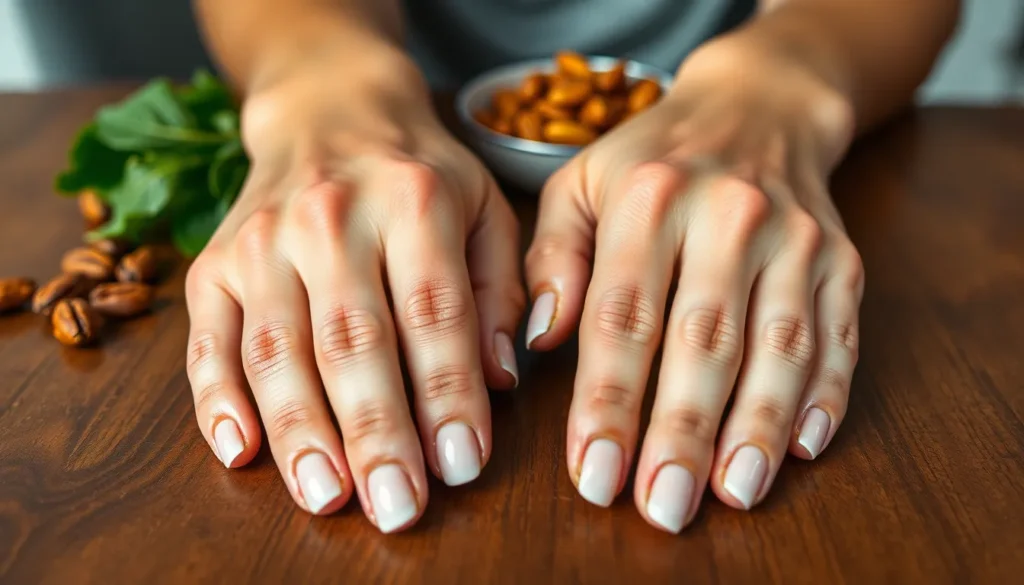
Ever looked down at your nails and wondered if they’re trying to tell you something? Those pesky white spots might seem like a mystery worthy of Sherlock Holmes. But fear not! They’re often harmless and can be a sign of something as simple as minor trauma or a lack of certain nutrients.
Understanding Nail Health
Nail health reflects overall well-being. Various factors influence the appearance of nails, including nutrition, trauma, and health conditions. White spots often arise from minor injuries, but they can signify nutritional deficiencies.
Zinc deficiency, for instance, causes these spots. The body requires sufficient zinc for healthy nail growth and repair. Additionally, calcium and protein play essential roles in maintaining strong nails.
Some fungal infections may lead to changes in nail color and texture. Recognizing these signs allows for prompt treatment and prevention of further complications. Furthermore, the presence of white spots can indicate allergies to nail products. Identifying and addressing these allergy triggers can improve nail appearance.
Environmental factors also contribute to nail health. Constant exposure to water may weaken the nails, leading to chipping and discoloration. Limiting exposure and using protective gloves during household chores can help maintain nail integrity.
Understanding nail health requires attention to overall habits. A balanced diet rich in vitamins and minerals promotes stronger nails. Regularly moisturizing the nails and cuticles minimizes dryness and brittleness.
Keeping up with nail care routines not only enhances appearance but also identifies any unusual changes quickly. Nail health reflects internal health, and recognizing potential issues ensures timely intervention. Consistent care leads to healthier, smoother nails.
Common Causes of White Spots
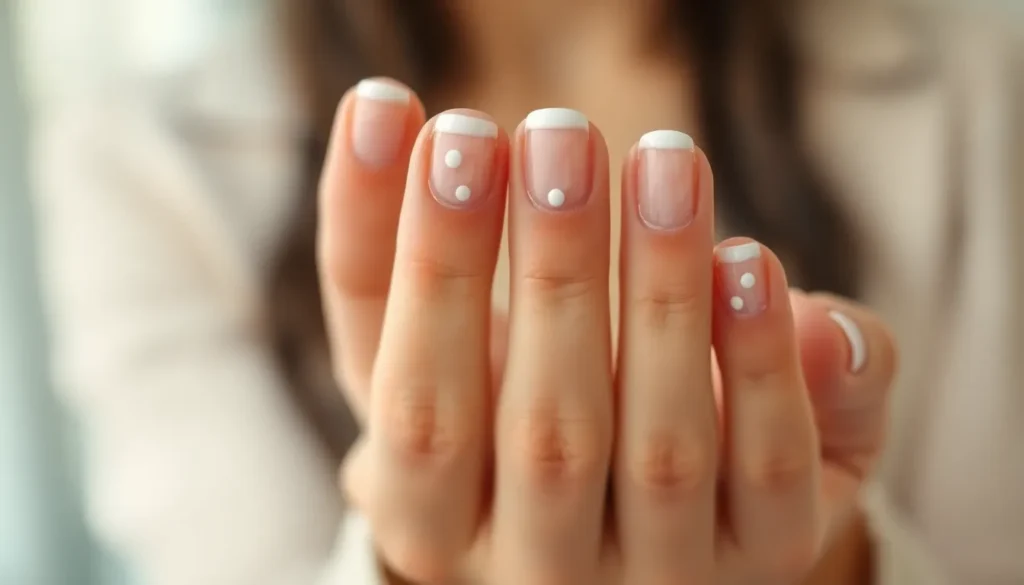
White spots on nails can arise from various factors. Understanding these causes helps in addressing nail health effectively.
Trauma to the Nail
Trauma to the nail can occur from minor accidents, like hitting a nail against a hard surface. This injury may not always be visible initially, but it often manifests as white spots. Any impact or pressure disrupts normal nail growth, leading to these noticeable marks. For example, athletes frequently experience such trauma, resulting in white spots on their nails. Additionally, repetitive actions, like typing or crafting, can cause similar effects. Recognizing these injuries is important, as it reassures against serious underlying conditions.
Nutritional Deficiencies
Nutritional deficiencies contribute significantly to the appearance of white spots on nails. A lack of essential nutrients, particularly zinc, calcium, and protein, affects nail health. Zinc deficiency often manifests as white spots, signaling the need for dietary adjustments. Individuals consuming insufficient protein may also notice these marks, as protein plays a vital role in nail structure. It is crucial to maintain a balanced diet rich in fruits, vegetables, lean proteins, and dairy products for healthy nail growth. Regularly monitoring nutrient intake can address deficiencies and promote overall nail health, ultimately enhancing their appearance.
Related Conditions and Concerns
White spots on nails can relate to several conditions that warrant attention. Understanding these conditions aids in recognizing potential issues and addressing them effectively.
Fungal Infections
Fungal infections can cause discoloration, including white spots on nails. These infections thrive in warm, moist environments, often leading to brittleness and changes in nail texture. Commonly, symptoms include yellowing, splitting, or thickening of the nail beyond just white spots. Treatment usually involves antifungal medications and maintaining nail hygiene. Regularly assessing nail health provides insight into possible fungal issues early on, allowing for prompt treatment.
Allergic Reactions
Allergic reactions to nail products may also result in white spots. Ingredients in nail polish, removers, or gels can trigger sensitivities, causing discoloration or irritation. Symptoms often include redness, swelling, or the appearance of white patches. Identifying the specific allergen typically requires careful observation and sometimes professional testing. Avoiding irritants and opting for hypoallergenic products can help reduce the risk of these reactions and promote healthier nails.
Prevention Tips
White spots on nails can often indicate minor issues. Adopting specific preventive measures helps maintain healthy nails.
Maintaining Proper Nutrition
A balanced diet plays a crucial role in nail health. Incorporating foods rich in zinc, calcium, and protein supports nail structure. Eggs, dairy, lean meats, and leafy greens provide essential nutrients. Regular consumption of nuts and seeds also contributes valuable minerals. Staying hydrated ensures overall well-being, impacting nail growth. Multivitamins may help if dietary intake is insufficient. Regular monitoring of nutrient levels is beneficial for identifying deficiencies.
Safe Nail Care Practices
Gentle handling of nails prevents trauma that leads to white spots. Using a soft buffer helps maintain shine without causing damage. Regular trimming keeps nails at a manageable length, reducing the risk of injury. Selecting non-toxic nail products minimizes allergic reactions. Wearing gloves during household chores protects nails from harsh chemicals. Avoiding excessive exposure to water strengthens nails. Observing any changes in nail appearance promotes prompt attention to potential issues. Regular check-ups with a dermatologist ensure nail health is centrally monitored.
White spots on nails often signal minor issues that are typically harmless. Understanding the underlying causes can help individuals take necessary steps toward maintaining healthy nails. By focusing on a balanced diet and safe nail care practices, it’s possible to promote stronger nails and minimize the appearance of these spots. Staying vigilant about any changes in nail health is crucial for overall well-being. With proper care and awareness, individuals can achieve healthier nails that reflect their internal health.